
How to Make Your Home More Energy-Efficient Before Selling
When preparing to sell your home, making strategic improvements can enhance your experience throughout the selling process and ultimately increase your final sales price.
Today’s buyers are motivated by properties that offer energy savings, modern upgrades, and environmental stewardship. By focusing on energy efficiency as you prepare your home, you can present a more attractive, move-in-ready listing that not only draws attention but also leads to higher offers.
Many sellers in the Pacific Northwest, for example, work with Lake Oswego, OR real estate experts Luxe Forbes Global Properties to maximize their home’s appeal by implementing smart, sustainable upgrades before entering the market.
Emphasizing energy-efficient enhancements can set your home apart in a crowded field, particularly as utility costs rise and buyers become more eco-conscious.
These upgrades not only make a property more marketable but can also assure buyers that the home requires less ongoing maintenance and running costs.
Tackling energy efficiency improvements is about more than just making your home greener—it’s a smart investment that signals your property is up-to-date, well-maintained, and ready for the next chapter.
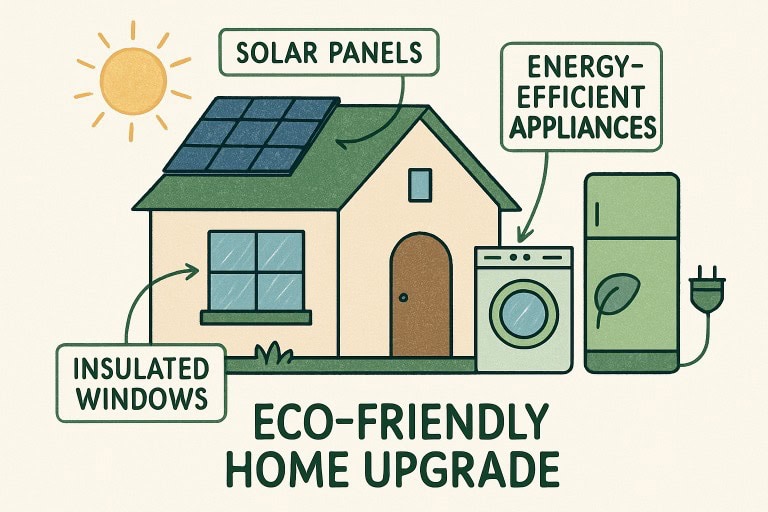
Conduct a Home Energy Audit
A professional home energy audit is a valuable first step before embarking on energy upgrades. This process involves an expert assessing your home’s systems, insulation, and structure to identify areas of wasted energy and recommend the most cost-effective improvements.
By gaining a clear understanding of your home’s current state, you can focus your efforts and budget on the issues that matter most—often eliminating surprises during a buyer’s inspection. An energy audit may include a blower door test, infrared imaging, and a review of previous utility bills to discover hidden inefficiencies that can be addressed early.
Benefits for Sellers
- Identifies high-impact areas for energy-saving upgrades
- Prevents unpleasant surprises later in the selling process
- Potential to provide buyers with documentation on improvements and savings
Seal Air Leaks and Improve Insulation
One of the most effective ways to boost home energy efficiency is through sealing and insulation upgrades. Air leaks in windows, doors, and attics can cause conditioned air to escape, leading to increased utility costs and uncomfortable temperature fluctuations.
Weatherstripping, caulking, and spray foam can offer affordable solutions for obvious gaps, while upgrading insulation in attics and crawl spaces ensures a consistent indoor climate. Improved insulation is particularly important in older homes, where outdated materials often fail to perform optimally.
Where to Look
- Window and door frames
- Attic hatches and pull-down stairs
- Exposed ductwork, outlets, and baseboards
Upgrade to Energy-Efficient Windows
Windows are among the primary sources of heat gain and loss in a home. Replacing old single-pane models with double- or triple-pane, Low-E windows reduces drafts, controls condensation, and lowers overall energy consumption. Not only do these upgrades drive monthly cost savings, but they also elevate the look and feel of your home’s exterior and interiors. Savvy homebuyers are likely to notice and value window upgrades that ensure year-round comfort and lower utility bills.
Install a Smart Thermostat
Smart thermostats represent an easy and affordable entry point to home automation. Models from top brands like Nest and Ecobee enable users to program or remotely adjust heating and cooling schedules, optimizing energy use based on occupancy and habits.
These devices often result in immediate, visible savings on monthly energy bills and are attractive to buyers who appreciate modern, efficient technology. Smart thermostats can often be installed in under an hour and quickly become a standout feature in your listing.
Upgrade to Energy-Efficient Appliances
Outdated appliances are among the largest energy drains in most homes. Replacing refrigerators, dishwashers, washers, and dryers with ENERGY STAR-rated models reduces electricity and water bills and assures buyers that costly replacements aren’t on the near horizon.
Stainless steel appliances, particularly those with clear energy ratings, add value and a sense of freshness to the kitchen and laundry spaces, increasing buyer interest and perceived move-in readiness.
Highlight Energy-Efficient Features in Your Listing
Don’t let your improvements go unnoticed: use your real estate listing and marketing materials to call out new systems, windows, or appliances with terms like “energy-efficient,” “low utility bills,” or “eco-friendly upgrades.” Consider offering documentation from your energy audit, receipts for upgrades, or a comparison of recent utility expenses to reinforce your claims.
Concrete evidence of reduced energy consumption can help your property stand out—especially in markets where buyers are focused on budgeting for long-term costs. Work with your agent to strategically position these improvements in both your online presence and your showing experience.
Final Thoughts
Boosting your home’s energy efficiency before selling is a forward-thinking investment that pays dividends in multiple ways: a higher sales price, a faster transaction, and a lower risk of post-inspection negotiations.
By following a methodical process—from professional audits to sealing, insulation, appliance, and technology upgrades—you not only benefit your own bottom line but also enhance the appeal of your property to today’s energy-conscious buyers.
Simple steps now can lead to significant rewards at closing, ensuring your home achieves the best price in the shortest time possible.
