
How Seasonal Changes Affect Roof Health
Roofs are a home’s first defence against the weather, but homeowners often overlook how seasonal changes affect their roof’s condition. As the weather shifts from spring rains to winter snow, each season brings stressors that can weaken the roof. Understanding these threats helps protect your investment and reduce repair costs.
Professional roofing services can provide inspections and maintenance suited to each season. Weather patterns like spring winds, summer heatwaves, autumn debris, and winter freezes test your roof’s resilience. Even small vulnerabilities can lead to costly damage if not fixed early.
Regular inspections and maintenance extend your roof’s life, preventing water leaks, shingle damage, and structural issues.
Knowing how seasonal weather impacts roofing materials enables you to take preventive steps, avoiding emergency repairs and boosting home value. Roof maintenance involves preparation, routine inspections, and calling professionals for complex repairs or upgrades.
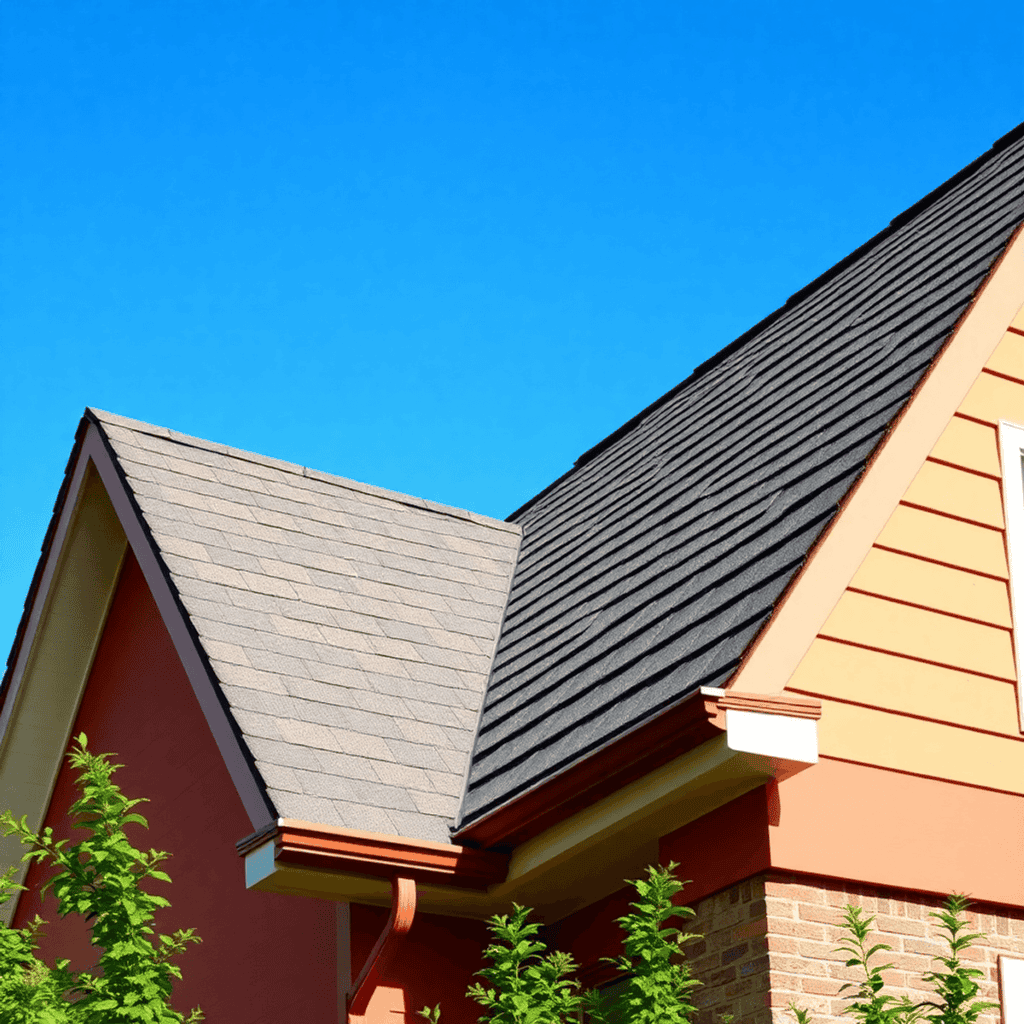
Spring: Rains and Wind
Spring exposes roof weaknesses due to warmer temperatures and rain, which can cause rot, mold, and damage. Heavy rains leak through degraded flashing and sealants, while wind displaces shingles, increasing water and pest risks. To prevent issues, inspect flashing, valleys, and shingles.
Partnering with experts in roofing and construction services ensures a thorough evaluation and timely repairs, preventing minor issues from escalating into costly structural problems.
Clearing debris also enhances drainage and reduces the risk of mold, helping to maintain your roof’s durability and your home’s overall protection. Regular maintenance each season helps extend the roof’s lifespan and preserve your property’s value.
Summer: Heat and UV Exposure
As summer arrives, intense sunlight and high temperatures accelerate damage to roofing materials. Asphalt shingles are particularly susceptible to becoming brittle, cracking, or curling due to exposure to UV rays and thermal cycling.
This expansion and contraction can weaken fasteners and flashing, potentially leading to leaks and material loss. Fading and sealant breakdown are common summer issues, highlighting the need for mid-year inspections.
It’s essential to inspect vents, skylights, and roof junctions for gaps, cracks, or deterioration to ensure they remain weather-tight. Routine inspections also help identify where insulation or ventilation improvements can improve thermal regulation and reduce energy costs.
Autumn: Leaves and Debris
Fall brings beauty, but also potential roof hazards. Leaves and debris clog gutters, causing water to pool that can damage the roof deck and supports. Wet debris is heavy and strains roofing systems. Clearing debris before winter protects against leaks and prepares the roof for cold weather, especially in shaded or windy areas.
Winter: Snow and Ice
Winter poses harsh conditions for roofs with snow buildup and freeze-thaw cycles. Accumulated snow stresses the structure, risking collapse. Refreezing snow at the eaves forms ice dams, blocking water flow and potentially leading to leaks and damage.
Proper insulation and ventilation help reduce the risk of ice dams. Regular snow removal, either DIY or professional, helps prevent structural hazards and damage.
Year-Round Maintenance Strategies
Staying proactive is crucial for maintaining roof health, which requires a biannual inspection schedule in both spring and fall to detect issues early. Keeping gutters clear ensures proper drainage and prevents leaks from occurring.
Ventilation and insulation improvements are essential year-round for preventing mold and maintaining indoor air quality. Key steps include regular professional inspections, seasonal gutter cleaning, maintaining attic insulation and ventilation, and promptly repairing shingles and leaks.
Understanding seasonal impacts on roofs enhances resilience and longevity, ultimately saving costs and ensuring home safety and comfort.
Final Thoughts
Every season presents unique challenges that can compromise your roof’s integrity if left unaddressed. From spring rains and summer heat to autumn debris and winter ice, proactive care is the key to preventing costly repairs and extending your roof’s lifespan.
Partnering with trusted professionals for routine inspections, timely maintenance, and expert repairs ensures your home remains protected, energy-efficient, and visually appealing throughout the year. By investing in consistent upkeep, homeowners not only safeguard their property but also enhance its long-term value and structural resilience.
