
How I Prepare My Kitchen for Fall Cooking
When the weather starts cooling down in Vancouver, the way I use my kitchen changes. After a summer of keeping cooking and baking to a minimum—especially during the hottest days—I start thinking about soups, heartier meals, and spending more time at home.
I don’t completely reorganize my kitchen for fall.
Instead, I focus on a few practical things that will make cooking easier during the busier season ahead: planning the meals I want to make, stocking up on the dry ingredients I use regularly, organizing those ingredients so I can see what I have, and getting my kitchen ready for more cooking and baking.
Here’s how I prepare my kitchen for fall:
- Think about the meals I’ll want to make.
- Stock up on useful pantry ingredients.
- Transfer bulk ingredients into jars.
- Label everything clearly.
- Set up the kitchen for easier seasonal cooking.

1. I start by thinking about fall meals
Before I buy anything or start moving jars around, I think about what I’ll actually want to cook.
Fall usually means more soups, curries, and meals that can simmer while I’m working on something else. I also start baking more often once turning on the oven doesn’t make my apartment unbearably warm.
I like thinking ahead about meals I can make in larger quantities. Since I live alone and do all the cooking myself, making several servings at once saves time without requiring a formal meal-prep day.
I can enjoy one portion, keep another in the fridge, and freeze the rest for a day when I don’t feel like cooking.
This also helps me decide what I need to stock up on instead of buying ingredients without a plan.
2. I stock the ingredients I use in cooler weather
Whole grains, pulses, lentils, and flours are some of the ingredients I like to buy in bulk. They’re useful for the kind of comforting, plant-based meals I naturally make more often in fall.
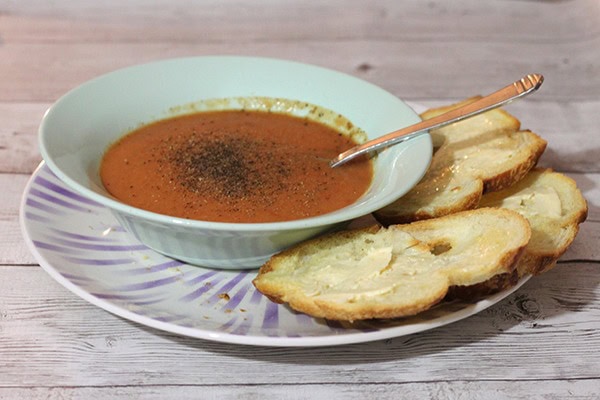
Green lentils, for example, can become the starting point for a filling soup. Seeing the labelled jar in my pantry reminds me of what I already have and makes it easier to decide what to cook. My vegan curry lentil soup recipe is exactly the sort of meal I want when the weather cools down.
I don’t think a fall pantry needs to be filled with every seasonal ingredient you might possibly use. I’d rather stock the ingredients that suit the way I actually cook.
Before shopping, I check the jars and cupboards first. That keeps me from buying another bag of something I already have tucked behind everything else.
If you’re working through more than your kitchen this season, my free Fall Home Reset walks you through a practical room-by-room reset.
3. I move bulk ingredients into jars
Buying dried goods in bulk can be useful, but leaving everything in partially opened bags quickly becomes messy. The bags don’t always stack well, and it’s easy to lose track of what’s inside them.
I transferred my grains, pulses, and flours into jars and bottles so they’d be easier to see and use. This wasn’t about creating a pantry that looked staged for a photograph. I wanted a system that made sense for my everyday life.
Clear containers help me see when I’m running low, and they make better use of the space I have. They also make it much easier to find an ingredient when I’m already in the middle of cooking.
My background as an interior designer taught me that organization works best when it supports how a space is used. A kitchen can look beautiful, but if the things you reach for regularly are difficult to find, the setup isn’t doing its job.

4. I label the jars, so I know what’s in them
Once I’d transferred everything into containers, I needed to label them. Some ingredients are easy to recognize, but different flours, grains, and pulses can look surprisingly similar when they’re sitting beside one another.
I used the DYMO LabelManager 160P to make simple labels for my jars. I could choose the text and font size, print each label, remove the backing, and place it directly on the container.
The “Green Lentils” jar is a good example of why this works for me. The label is clear enough to read quickly, and I don’t have to open the container or rely on my memory.
A label maker isn’t something you need to prepare your kitchen for fall, but it was genuinely useful for the way I organized my bulk ingredients. Handwritten labels or a simple marker can work too. The important part is creating a system you’ll understand and continue using.
5. I make the kitchen easier to cook in
The final step is making sure the kitchen is ready to be used—not simply organized.
I put frequently used ingredients where I can reach them, check that the cookware I use for soups and larger meals is accessible, and clear enough working space to prepare food comfortably.
I don’t want to spend all my time in the kitchen just because I’m cooking more often in fall. A little preparation helps me get a meal started without first searching through cupboards or moving things out of the way.
That’s really the point of my fall kitchen preparation. I’m not changing everything or following an enormous seasonal checklist. I’m making a few thoughtful adjustments that suit the meals I want to cook and the way I’ll be living during the cooler months.
Preparing your own kitchen for fall
Your fall kitchen preparation may look different from mine. You might bake more, rely on a slow cooker, prepare school lunches, or cook for a larger household.
Start with the food you genuinely want to make, then work backwards:
- Which ingredients do you use most often?
- What do you already have?
- Which ingredients need to be restocked?
- Would transferring or labelling anything make it easier to find?
- Are the tools you’ll use within easy reach?
A useful fall kitchen isn’t one that looks perfect. It’s one that makes it easier to cook the food you enjoy.
For me, that means jars of grains, pulses, lentils, and flours that I can identify at a glance, along with a plan for warming plant-based meals when the Vancouver weather turns cooler.

If you’d like to continue preparing the rest of your home for the season, download my free Fall Home Reset guide. It gives you a practical room-by-room plan for creating a home that feels more comfortable and ready for fall.
