
Remodelling Trends: Designing Spaces for a Sustainable Future
What if your next home renovation could help save the planet while saving you money? As environmental awareness grows, sustainable design is becoming the standard in remodelling trends. Concerns about climate change and resource depletion drive the demand for homes that minimize environmental impact and reduce energy consumption.
Consumers increasingly seek spaces that reflect these values, changing how we approach renovations. This shift is underscored by a broader movement, evident in the increasing attention towards companies like Tectonic Builds, which specialize in sustainable practices.
The importance of sustainability in remodelling extends beyond mere environmental benefits. It has become essential to modern living, appealing to homeowners who wish to embrace an eco-friendly and socially responsible lifestyle.
This trend is part of a more significant global movement towards adopting sustainable practices, emphasizing the urgency of integrating these principles into daily life.
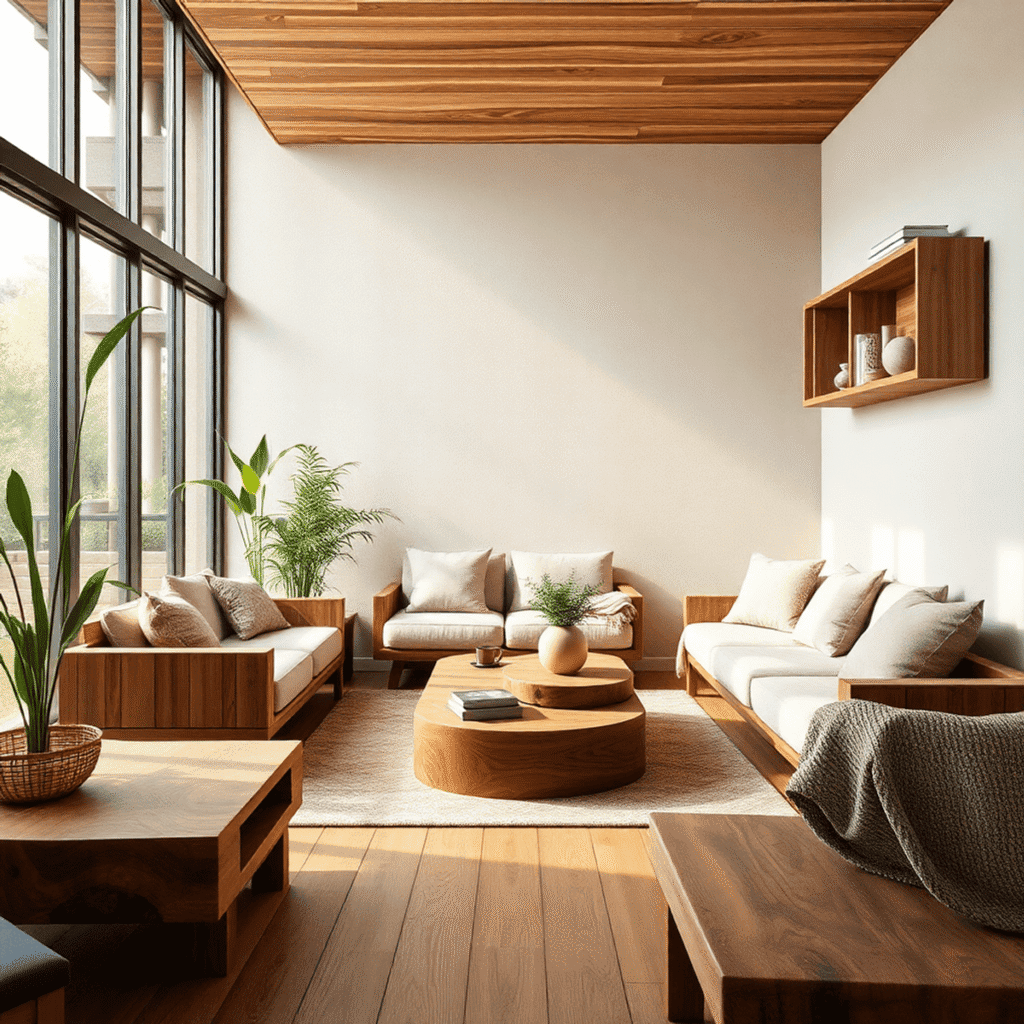
Choosing Eco-Friendly Materials
Eco-friendly materials form the backbone of sustainable design. Homeowners are increasingly choosing materials that reduce environmental impact while providing aesthetic and functional benefits.
Options like reclaimed wood, which offer unique patterns and durability, are becoming popular. Bamboo is another choice—it grows significantly faster than traditional wood and offers high sustainability.
Recycled metal, often used for fixtures and fittings, helps conserve resources and reduce waste. Adopting these materials in home renovations contributes significantly to preserving natural resources and lowering the carbon footprint of construction projects.
Moreover, eco-friendly materials often create a distinctive, modern, and timeless look. Insight from National Geographic emphasizes how sustainable practices in construction help minimize waste and conserve energy, aligning with the global goal of reducing environmental degradation.
The Role of Green Certifications
Green certifications like LEED (Leadership in Energy and Environmental Design) have become integral to guiding homeowners toward more sustainable remodelling practices. These certifications set a benchmark for quality and sustainability, ensuring that the design and construction of homes meet stringent environmental criteria.
Not only do they provide an assurance of structural and environmental quality, but they also enhance a property’s market value. Homes with green certifications are in high demand among eco-conscious buyers who value sustainability and energy efficiency.
By opting for certified sustainable homes, homeowners can enjoy reduced energy costs and lower environmental impact, making these certifications a practical and beneficial choice for modern buyers.
Innovative Smart Home Technologies
Technology is increasingly crucial to achieving sustainability in home design. Integrating smart home technologies has revolutionized how we maximize energy efficiency and convenience in our homes. Smart thermostats, for instance, learn residents’ schedules to optimize heating and cooling, thus reducing energy consumption.
Similarly, intelligent lighting systems allow for precise control, adjusting according to the time of day or occupancy to minimize electricity use. Energy monitoring apps offer another layer of control, helping homeowners track and manage their energy usage in real-time.
Implementing these technologies not only enhances the functionality of a home but also encourages responsible energy management, further driving the trend toward energy-conscious living.
Sustainable Landscaping
Not to be overlooked is the role of landscaping in creating genuinely sustainable homes. By aligning outdoor spaces with eco-friendly home designs, homeowners can extend their sustainability efforts beyond the walls of their homes. Utilizing native plants, which are uniquely adapted to local climates and require less water, reduces the need for irrigation and maintenance. This choice supports the conservation of water resources and contributes to reducing water expenditure.
With its focus on sustainability, this approach benefits the homeowner and promotes biodiversity and resilience within local ecosystems. Sustainable landscaping becomes a natural complement to green home designs, enhancing residential properties’ aesthetic appeal and ecological value.
Long-term Economic Benefits
While sustainable remodelling often involves higher initial costs, the long-term economic benefits are undeniable. Energy-efficient systems decrease utility bills, and durable materials reduce maintenance expenses. Over time, these savings add up, presenting a compelling financial case for investing in sustainable home designs. Research consistently highlights the return on investment from environmentally conscious upgrades.
Not only do these homes cost less to operate, but they also appreciate in market value, offering a tangible economic incentive alongside environmental goodwill.
Challenges in Sustainable Remodelling
Despite its benefits, sustainable remodelling poses specific challenges, primarily in higher upfront costs and the limited availability of skilled professionals specializing in green building techniques. However, these obstacles can be navigated with strategic planning and an informed approach to budgeting.
Engaging with sustainability-focused experts and adopting a phased approach to renovations can mitigate these issues, making sustainable remodelling a viable option for homeowners seeking eco-friendly living solutions.
Future of Sustainable Design
The future of sustainable design looks promising as emerging technologies and shifting policies continue to reshape the landscape of home construction and renovation.
Innovations in biophilic design, passive building strategies, and renewable energy integration are setting new standards in sustainability. With ongoing technological advancements and increased awareness, sustainable design is poised to remain at the forefront of the remodelling industry, driving a new era of environmentally responsible living.
