
Smart Strategies for Gutter Maintenance and Longevity
Proper gutter care is one of the most important, yet often overlooked, aspects of home maintenance. Regular upkeep prevents water damage to your home’s siding, foundation, and landscaping and contributes to a healthier, longer-lasting roofing system.
Whether you live in an area with dense foliage, frequent storms, or dramatic seasonal changes, it is crucial to prioritize gutters in your annual maintenance plan. Smart strategies not only save you from costly repairs but also ensure your property remains protected year-round.
Understanding and implementing effective gutter maintenance techniques can greatly extend their lifespan. Homeowners can manage much of this process themselves, but knowing when to seek expert assistance is key. In this guide, you’ll discover practical steps to keep your gutters functioning optimally and safeguard your investment for years to come.
Regular Cleaning
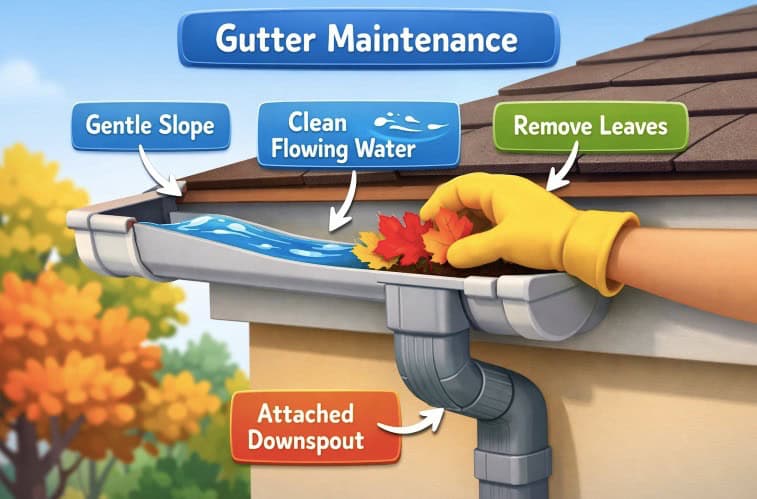
The primary cause of gutter failure is the accumulation of leaves, twigs, and other debris. When these materials collect in gutters, they block water flow and can cause overflow during storms.
This overflow may damage your home’s foundation, siding, and even interior if not addressed promptly. Experts recommend cleaning gutters at least twice per year, generally in late fall after the leaves have dropped and again in early spring.
More frequent cleaning is beneficial if your house sits near large trees, as falling foliage and pine needles can quickly cause blockages.
During cleaning, pay close attention to downspouts as well. Clogged downspouts can prevent water from draining, leading to similar overflow issues and potential water damage below rooflines or near basement walls.
Seasonal Inspections
Gutter maintenance is not a one-time event. Each season brings unique stressors, from spring storms and budding trees to falling autumn leaves and winter freezes. At the start of spring, check for any damage caused by winter’s freeze-thaw cycles, including loose fasteners or small cracks, especially if your home has recently undergone roof installation.
In summer, inspect for the effects of strong sun, which can warp or weaken gutter materials, and ensure all sections remain securely attached.
During the fall months, frequent inspections will help you keep ahead of leaf buildup, and as winter approaches, monitor your gutters for ice dams or dangerous accumulations of snow and ice that can pull gutters away from the house.
Seasonal inspections help you find and address issues before they become emergencies, ensuring your gutter system works efficiently throughout the year.
Installing Gutter Guards
Gutter guards are a popular solution to reduce the volume of debris entering your gutters. These protective covers are available in several styles, including mesh screens and solid, reverse-curve systems, each designed to allow water through while keeping larger particles out.
Choosing the right gutter guard style depends on your local environment and the typical types of debris encountered, such as pine needles, oak leaves, or small seeds.
When properly installed, gutter guards can significantly reduce the frequency of cleaning and protect against clogs, reducing wear on your gutters and keeping water flowing freely. However, periodic checks are still essential, as even the best guards are not maintenance-free.
Ensuring Proper Drainage
Effective gutter systems depend on proper slope to channel rainwater toward downspouts. A good rule of thumb is to have a slight tilt of about one-quarter inch for every ten feet of gutter run. An inadequate slope can cause water to pool, which eventually leads to rust, leaks, or even sagging sections that fully separate from the home.
If you notice standing water after a rainstorm, adjust the placement of hangers or supports to achieve the correct pitch. An occasional visual inspection after heavy rain can alert you to any drainage issues before they become severe.
Addressing Repairs Promptly
Minor problems with your gutters, such as loose fasteners or small leaks at seams, should never be ignored. Tightening hangers and brackets, resealing joints with waterproof sealant, and replacing broken sections are relatively simple repairs that can prevent larger failures.
Unattended issues often lead to significant water intrusion or foundation damage, which can be far costlier to resolve. Conducting small repairs as soon as they are found is one of the most effective ways to maximize gutter longevity.
Professional Maintenance vs. DIY
While many homeowners can handle routine gutter cleaning and some minor repairs, some situations call for professional expertise. Qualified technicians are equipped to handle high or hard-to-reach gutters and can spot subtle problems a homeowner might overlook.
Professionals will also have appropriate safety equipment to reduce the risk of accidents, especially in multi-story homes or on steep, slippery slopes. Weigh the benefits of professional service, which may save on large repair bills down the line by maintaining the full effectiveness of your gutter system.
Upgrading Gutter Systems
Technological advancements have made newer gutter products more durable and efficient. Seamless gutters, made from a single length of material, have fewer points of potential failure than sectional gutters and are less likely to develop leaks at joints.
Materials like aluminum and copper outlast traditional galvanized steel and require less frequent replacement. If you have persistent gutter issues, especially leaks or sagging, an upgrade to a new system could reduce maintenance while providing better protection for your home and landscaping.
Final Thoughts
Staying on top of gutter maintenance requires a proactive approach. By cleaning regularly, inspecting seasonally, installing gutter guards, ensuring drainage, handling repairs when needed, considering professional assistance, and upgrading outdated equipment, homeowners can maximize the functional life of their gutter systems.
These smart strategies will help shield your property from water damage and support the longevity of your roofing investment for years to come.
