
Waxing and Polishing Your Car: Get That Shiny Finish
When you get your car detailed, it comes back looking great on the inside and outside. This is because professional detailers spend time polishing your vehicle with an orbital polisher to remove scratches and oxidation and wax your vehicle to protect it against damage. In fact, you probably see that shine last for much longer than if you just wash your vehicle. This is what you should know to get that same effect.
The Difference Between Wax and Polish
When you saw that new Volkswagen for sale and decided to purchase it. Over the years, your vehicle’s paint can become scratched and dull. Polish removes minor scratches, oxidation, and debris. Wax protects your vehicle from further damage.
Clean Your Vehicle
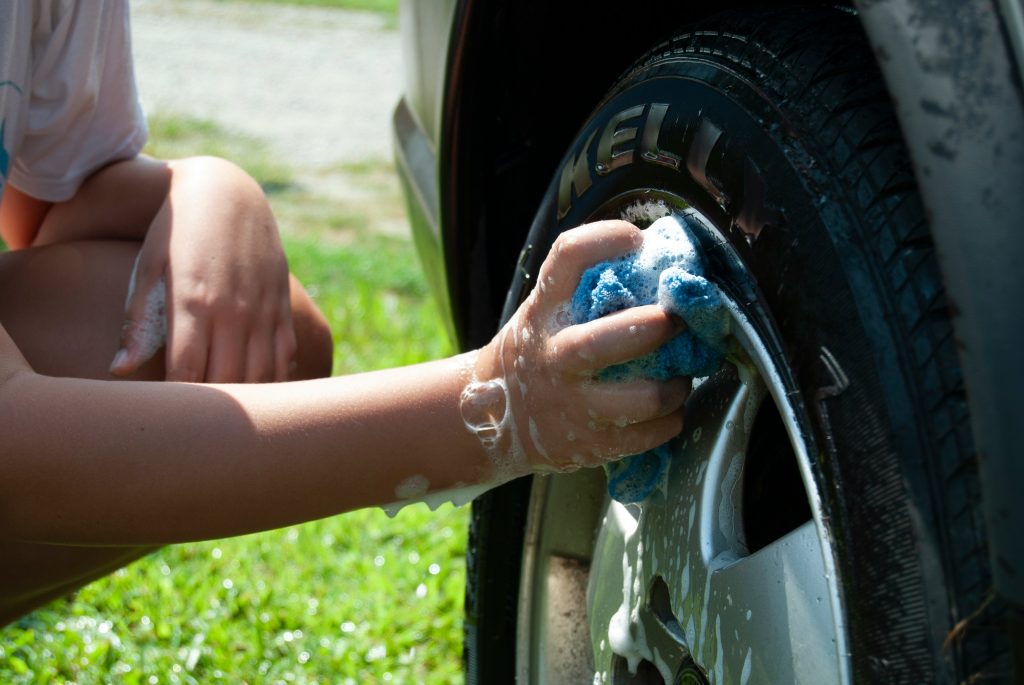
Your first step, before you polish or wax your vehicle, is to clean it thoroughly. Avoid doing this in direct sun. Use a cleaning product made especially for your vehicle.
Start with a good rinse to remove any dirt and debris. Use clean water, sponges, and microfiber cloths. Your final rinse should be a light misting. Then, dry your vehicle with a microfiber cloth.
Polish Your Vehicle
Now, you are ready to polish your vehicle. Choose a polish made for your paint. Put it directly on the applicator, not the vehicle, and work in one small area at a time. Apply it in a circular fashion. Remove any excess polish with a microfiber cloth as you move along.
If you have an orbital buffer, apply a few drops of polish to the pad. Start your buffer at the lowest speed. Continuously move the buffer. Again, finish one small section before moving on to the next.
Apply Your Wax
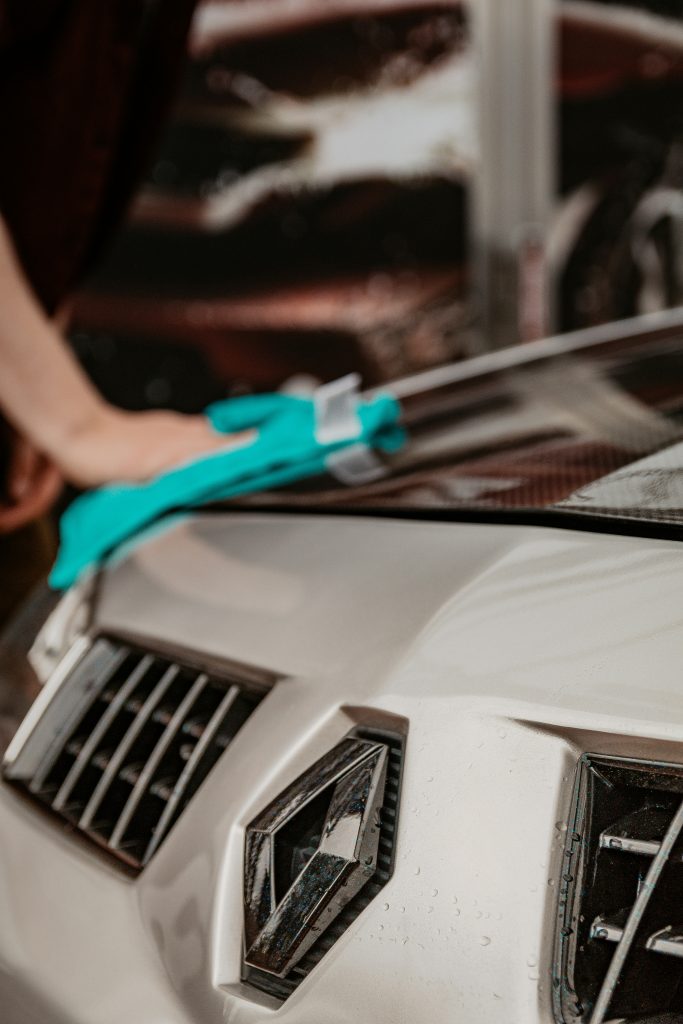
Choose either a liquid or solid wax, and purchase a product that works with your paint. Some vehicles have a base and clear coat, while others have a single-stage paint. The wax should specify this paint type. You can use a foam pad and/or orbital buffer to apply your wax. Make sure your vehicle is clean.
Apply a small amount of wax to your sponge so it creates a thin layer on your vehicle. Again, work in small sections and overlap the wax slightly as you move to the next section. Cover the whole vehicle in a thin layer. Then, allow the wax to dry completely. See the manufacturer’s instructions for the dry time on your wax product.
Once it is dry, buff the wax out of your vehicle using a clean microfiber cloth or your orbital buffer. If you use a buffer, make sure you keep it moving to prevent paint damage.
Application Frequency
You only need to polish your vehicle up to two times per year. Too much abrasive too often can actually damage your paint, so don’t over-polish.
Wax your vehicle at the turn of every season at least, about every three months. If your municipality uses salt and chemicals on icy roads or your weather is harsh, you may need to wax your vehicle more often.
Protect Your Resale Value
Keeping your vehicle well-maintained protects your resale value. Add waxing and polishing your vehicle into your regular maintenance schedule to keep your paint like new and looking great.
