
How to Choose the Right Neighbourhood When Buying a Home
As a former interior designer, I have witnessed the profound impact that neighbourhood selection has on homebuyers. Choosing the right neighbourhood is critical for turning a house into your dream home. The right environment not only improves your daily life but also affects the long-term value of your investment.
When figuring out how to choose the right neighbourhood when buying a home, there are several important factors to consider:
- Lifestyle Needs: Identify what amenities and services align with your daily routine.
- Community Vibe: Understand the culture and dynamics of potential neighbourhoods.
- Safety: Evaluate crime rates and community safety initiatives.
- Education: Consider proximity to quality schools, which can affect property values.
With these factors in mind, you can make informed decisions about finding the best neighbourhood in Las Vegas or anywhere else. Each choice shapes your living experience, making it essential to approach this aspect of homebuying with care and diligence.
1. Assessing Your Lifestyle Needs and Priorities

When choosing a neighbourhood, assessing your personal priorities and lifestyle needs is crucial. Begin by identifying essential amenities that align with your daily life. Consider the following factors:
Proximity to Work: A short commute can significantly enhance work-life balance. Evaluate neighbourhoods that offer convenient access to your workplace.
Access to Schools: If you have children or plan to in the future, proximity to quality schools is vital for educational opportunities.
Balancing urban versus suburban living preferences can shape your experience. Urban areas tend to offer vibrant social scenes, diverse dining options, and cultural activities. Suburban neighbourhoods often provide a quieter atmosphere with spacious homes and family-friendly environments. For example, if you’re considering Desert Shores Las Vegas homes for sale, you’ll find a mix of outdoor spaces, waterfront views, and local amenities that cater to diverse preferences.
To find the best fit, list your top priorities. For instance:
- Do you value nightlife and restaurants?
- Is outdoor space a priority for family activities?
Understanding these aspects will help narrow down your options and lead you toward a neighbourhood that complements your lifestyle effectively. Exploring various communities allows you to visualize where you see yourself thriving long-term, setting the stage for informed decisions in subsequent steps.
2. Evaluating Local Amenities and Community Facilities

Local amenities significantly enhance your living experience, making them a crucial factor when selecting a neighbourhood. These amenities contribute to your daily convenience, social interactions, and overall quality of life. When you evaluate potential neighbourhoods, consider the following desirable amenities:
- Parks and Recreation: Access to green spaces encourages outdoor activities, relaxation, and community engagement. Parks often host events and provide a space for families to gather.
- Gyms and Fitness Centers: Proximity to fitness facilities promotes a healthy lifestyle. You can easily maintain your exercise routine without the hassle of long commutes.
- Cafes and Restaurants: A variety of dining options fosters a social atmosphere. Enjoying local cuisine or grabbing coffee with friends adds vibrancy to your neighbourhood.
- Shopping Centers: Nearby shopping facilities offer convenience for groceries, clothing, and other daily needs.
Each of these elements plays a vital role in not just improving your day-to-day life but also enhancing the value of your property. Homes situated close to well-maintained local amenities often attract more buyers, driving up market demand. Understanding what local amenities matter most to you will guide you in choosing a neighbourhood that aligns with your lifestyle preferences.
3. Considering School Quality and Access in Neighborhoods with Good Schools

Choosing a neighbourhood with quality schools significantly impacts homebuyers’ decisions. School districts play a crucial role in determining educational outcomes for children, influencing families to prioritize areas with top-rated institutions.
Key considerations include:
- Higher Resale Potential: Homes located near reputable schools tend to appreciate in value over time. Buyers often pay a premium for properties within desirable school districts, making these locations a sound investment.
- Community Appeal: Neighborhoods with excellent schools attract families seeking stability and growth, fostering a sense of community. This dynamic can enhance your living experience, as you’ll be surrounded by like-minded individuals prioritizing education.
- Access to Resources: Areas with strong educational institutions typically offer additional resources such as libraries, tutoring centers, and after-school programs that benefit both children and parents. These amenities contribute to a vibrant community life.
Investing in neighbourhoods known for their educational quality not only supports your family’s immediate needs but also positions you favourably in the real estate market. Understanding how school quality intertwines with property values is essential when determining how to choose the right neighbourhood when buying a home.
4. Understanding Local Culture and Community Dynamics
Local culture plays a crucial role in shaping your daily living experience. When you choose a neighbourhood, consider how its culture aligns with your values and lifestyle—key factors to consider when choosing a neighbourhood. Neighbourhood culture includes:
- Art and Music: The availability of galleries, music venues, and cultural festivals can significantly enhance community life.
- Culinary Scene: Restaurants, farmers’ markets, and food festivals often reflect local traditions and can foster connections among residents.
Engaging with community events is essential for gauging the vibrancy of a neighbourhood. These events provide opportunities to connect with neighbours, understand local customs, and participate in shared experiences. Consider attending:
- Street Fairs: A chance to explore local artisans and small businesses.
- Seasonal Festivals: Celebrations that showcase local heritage, often drawing residents together.
When assessing the community atmosphere, also think about outdoor activities in the area that cater to different interests and lifestyles. A strong sense of belonging emerges from active participation in these events. Look for neighbourhoods that prioritize community engagement through activities that resonate with you. This connection not only enriches your living experience but also enhances the overall appeal of your chosen location.
Additionally, take into account commute considerations such as transportation access and the availability of local amenities for families like healthcare facilities and schools. Emphasizing the importance of local culture can lead to more fulfilling homeownership where your environment reflects who you are while also aligning with practical aspects like affordability and the housing market dynamics.
5. Researching Neighborhood Safety Levels and Security Measures
Neighbourhood safety plays a crucial role in determining the desirability of an area. A safe environment not only enhances your peace of mind but also positively impacts property values. When considering where to buy a home, prioritize neighbourhoods with low crime rates, as this can significantly affect your long-term investment.
To effectively research neighbourhood safety, utilize the following resources:
- Crime Statistics Websites: Platforms like NeighborhoodScout and CrimeReports provide detailed crime data, helping you compare different areas.
- Local Law Enforcement Agencies: Many police departments publish annual reports on crime trends, offering insights into specific neighbourhoods.
- Community Initiatives: Look for neighbourhood watch programs or associations that focus on safety. Active engagement in these initiatives often indicates a commitment to maintaining a secure environment.
Consider reaching out to current residents to gain personal perspectives on safety. Observing neighbourhood dynamics during various times of the day can also reveal much about the area’s security. Pay attention to the presence of walking paths, as well as maintained routes, which can enhance safety and encourage community interaction.
Prioritizing safety will ensure that you choose a neighbourhood where you feel comfortable and secure, setting the foundation for a fulfilling living experience.
6. Analyzing Property Market Trends
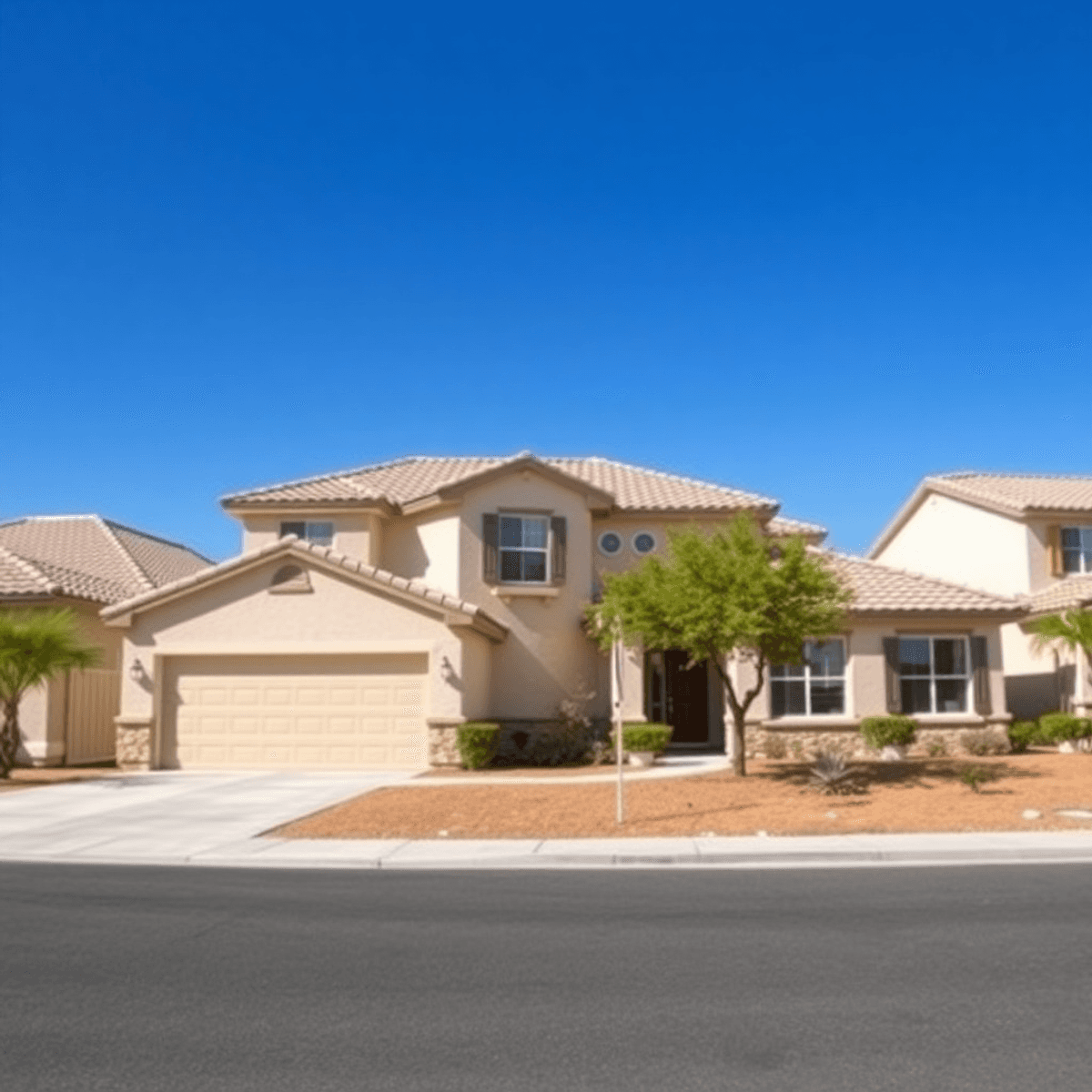
Understanding property market trends is essential for making informed purchasing decisions. As an interior designer with experience in Las Vegas, I have seen firsthand how market fluctuations can impact home values. Key considerations include:
Current Market Trends
Researching local real estate reports and statistics helps you gauge whether the market is trending upwards or downwards. Look at factors like average home prices, days on the market, and inventory levels. Maximizing Your Investment: Trends in Home Buying can provide further insights into these aspects.
Growth Areas vs. Declining Neighborhoods
Identifying areas experiencing growth is crucial. These neighbourhoods often feature:
- New developments
- Increasing demand for housing
- Enhancements in local infrastructure
Conversely, declining neighbourhoods may show stagnation in property values, lower demand, and fewer amenities.
Pay attention to demographic shifts and economic indicators that signal potential growth. For instance, if a neighbourhood sees an influx of young professionals or families, it may indicate future investment potential.
Utilizing resources like real estate websites and local news can provide valuable insights into these trends. Understanding these dynamics ensures your investment aligns with both your immediate needs and long-term value growth objectives when choosing the right neighbourhood for your home.
7. Practical Tips for Researching Areas
Researching neighbourhoods is crucial in finding the right home. Here are some practical steps to guide your research:
Utilize Reliable Real Estate Websites
Platforms like Zillow, Realtor.com, and Trulia provide valuable data on property listings, price trends, and neighbourhood insights. Use their filters to narrow down choices based on your preferences.
Explore Local Crime Data
Websites such as NeighborhoodScout or local police department sites can offer detailed crime statistics. Understanding safety levels is vital for long-term satisfaction in a neighbourhood.
Check School Ratings
GreatSchools.org can help you gauge educational opportunities in the area. Quality schools often correlate with higher property values.
Visit Neighborhoods Personally
Take the time to walk through potential areas. Observe traffic patterns, noise levels, and general atmosphere. Engage with locals to gain authentic perspectives on community life.
Attend Local Events
Participate in community gatherings or open houses. These experiences can reveal the vibrancy of a neighbourhood and potential connections you might form.
After finding your dream home, streamlining your moving process becomes essential for a smooth transition. This includes planning ahead and organizing your belongings efficiently.
Moreover, as a new homeowner, there are certain practical tips that can help you settle into your new environment more comfortably. From understanding home maintenance to getting involved in the community, these insights can make a significant difference.
Finally, when moving day arrives, having a well-thought-out plan will alleviate stress and ensure you’re prepared for any unexpected situations that may arise during the move. Taking these comprehensive steps ensures you make an informed decision when purchasing your dream home and transitioning smoothly into your new life.
8. Strategic Investment Considerations
When buying a home, it’s important to see it as a long-term investment. This mindset helps you think about not only what you need right now but also how much the property might increase in value over time. Here are some important things to remember:
Zoning Laws
Look into the zoning rules that could impact future developments. Areas designated for residential or commercial growth usually experience rising property values as new businesses and services open up.
Upcoming Projects
Stay updated on planned infrastructure projects like new schools, public transport lines, or shopping centers. These improvements can greatly enhance the appeal of a neighbourhood.
Economic Developments
Keep an eye on local economic trends. When jobs are created, and community initiatives receive funding, it often indicates that the area is thriving and likely to see an increase in property values.
By considering these factors, you can find a balance between enjoying your home now and making sure it stays valuable in the future. Focusing on both your current living situation and the potential for investment growth will make your home-buying experience more fulfilling.
Making an Informed Decision When Choosing Your Ideal Neighborhood in Las Vegas or Anywhere Else!
Selecting the right neighbourhood is crucial for your dream home. Aligning your personal lifestyle needs with investment goals ensures a satisfying living experience and long-term value. Consider these points:
- Lifestyle Compatibility: Assess amenities that enhance daily life, such as schools, parks, and shopping.
- Future Growth Potential: Investigate local development plans and market trends to ensure appreciation in property value.
- Community Engagement: Participate in local events to gauge the vibrancy of the neighbourhood.
Your choice should reflect both immediate desires and future aspirations. By evaluating these factors carefully, you can make informed decisions that lead to a fulfilling homeownership experience. Embrace the journey of choosing the right neighbourhood, whether in Las Vegas or beyond, to secure not just a house but a place you truly love.
