
Custom Built Homes: Where Elegance Meets Personalization
Custom-built homes are unique residences tailored to the individual needs and desires of homeowners. Their growing popularity reflects a shift towards personalization in residential design.
Key aspects include:
- Personalization: Custom homes allow for a high level of customization, resulting in elegant and unique living spaces that mirror personal style and preferences.
- Elegance through Design: Achieving elegance in custom homes involves thoughtful design choices and the use of high-quality materials. This attention to detail sets these residences apart from traditional houses.
Homeowners can select everything from layouts to finishes, ensuring that their new home is not just a dwelling but a true reflection of who they are.
Understanding Custom-Built Homes
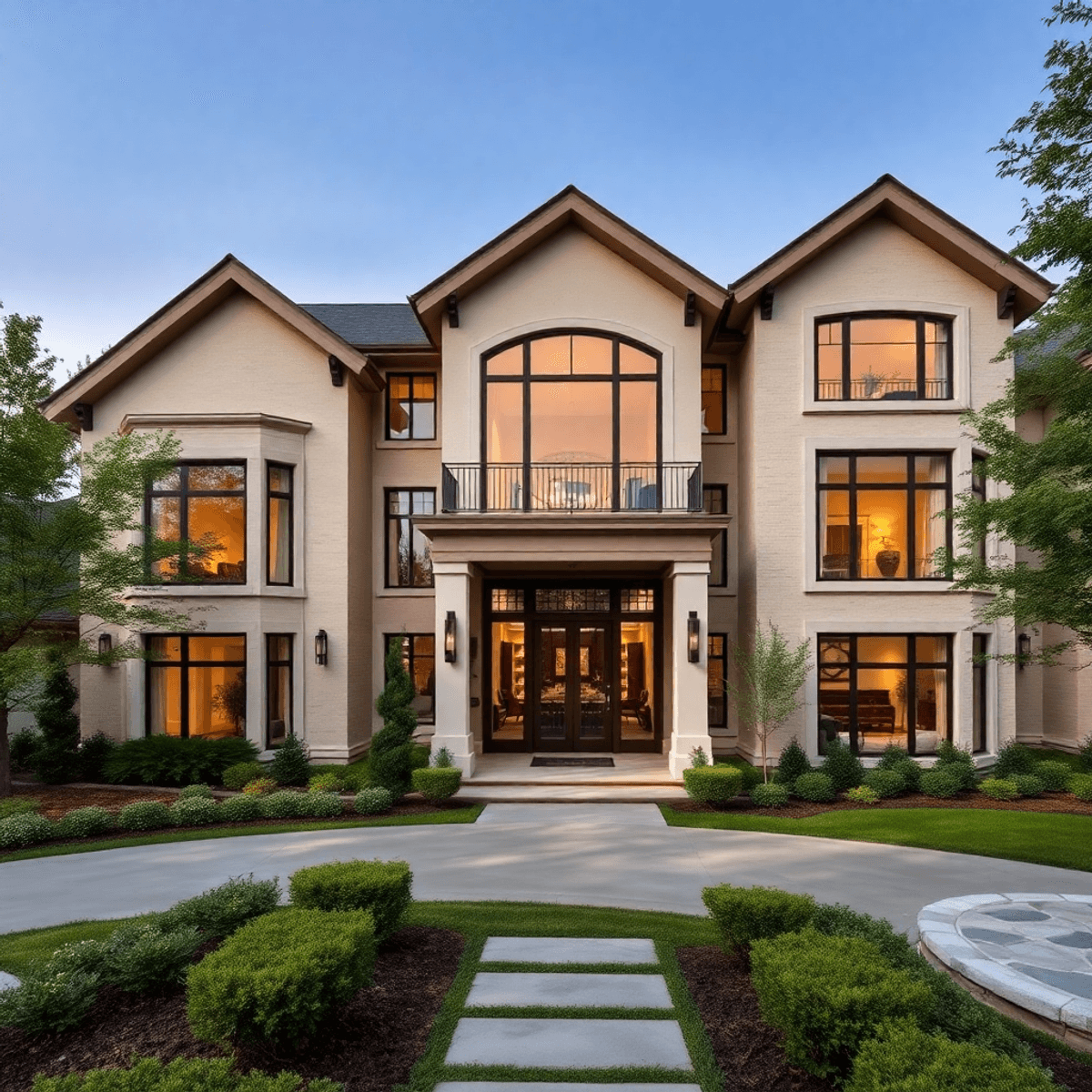
Custom-built homes represent a unique approach to residential design, allowing homeowners to tailor every aspect to their specific desires and needs. These custom-designed homes stand apart through distinctive features such as:
- Personalized Designs: Homeowners can choose layouts, room sizes, and configurations that best suit their lifestyle.
- High-End Finishes: The use of premium materials elevates the aesthetic appeal and functionality of each space.
- Attention to Detail: Every element is meticulously crafted, resulting in a cohesive and harmonious living environment.
When comparing custom-built homes to traditional houses, several key differences emerge:
- Construction Methods: Traditional houses often follow a cookie-cutter approach with limited customization options, whereas, during the custom home building process, custom homes are built from the ground up according to the homeowner’s specifications.
- Level of Customization: Customization in traditional homes is usually minimal. In contrast, building a custom home allows for an extensive selection of features, including architectural styles and interior finishes.
- Overall Quality: Custom homes typically exhibit higher craftsmanship standards due to the focus on personalized details and superior materials.
The benefits of constructing a personalized residence are significant:
- Greater Control Over Design Process: Homeowners maintain influence over every decision, ensuring the final product aligns with their vision.
- Improved Functionality: Tailoring spaces based on individual preferences leads to enhanced usability. For instance, dedicated fitness areas or home offices can be seamlessly integrated into the design.
- Increased Property Value: A custom-built luxury home can command higher resale values due to its unique features and quality of build.
Investing in a custom home not only creates an elegant sanctuary reflecting personal style but also contributes to long-term satisfaction and value. A prime example of such customization could be incorporating Dome Rooflights into the design, which offer an exceptional combination of design and utility.
The Custom Home Building Process
Step 1: Planning and Design
Creating a custom-built home begins with meticulous planning and design. This foundational phase is critical for ensuring that the resultant living space aligns with the homeowner’s vision, lifestyle, and preferences. The emphasis on thorough planning cannot be overstated; it serves as the blueprint for the entire construction process.
Importance of Visioning
Each homeowner has unique needs and desires, which must be articulated during the planning phase. Engaging in visioning exercises can help clarify these elements, fostering a deeper understanding of what a dream home embodies. Considerations might include:
- Lifestyle Requirements: Identifying everyday needs such as family size, work-from-home capabilities, or hobbies.
- Future Needs: Anticipating potential changes, such as aging in place or accommodating growing families.
- Aesthetic Preferences: Defining personal style influences, whether they lean towards modern minimalism or classic elegance.
This stage often involves collaboration with architects and designers who bring expertise to transform ideas into tangible floor plans. Their insights help create layouts that maximize both aesthetic appeal and functionality.
Architectural Styles
One of the most exciting aspects of custom home building is the myriad of architectural styles available for homeowners to choose from. Each style brings its own character and ambiance to a residence. Here are some popular options:
- Modern: Characterized by clean lines, open spaces, and minimalistic elements. Modern homes often incorporate large windows and natural light.
- Traditional: Reflects classic architectural features such as gabled roofs, brick exteriors, and symmetrical designs. This style evokes warmth and familiarity.
- Contemporary: A fluid style that evolves with current trends while often blending elements from various genres. Contemporary designs may utilize unconventional materials or asymmetrical shapes.
- Craftsman: Known for their handcrafted details, exposed beams, and extensive use of woodwork. This style emphasizes craftsmanship and an earthy aesthetic.
Selecting an architectural style not only influences visual appeal but also helps determine the home’s functionality. Each style provides different opportunities for layouts that cater to specific lifestyles.
Floor Plans
Once the architectural style is established, attention turns to creating detailed floor plans tailored to individual preferences. Customization at this stage ensures that every aspect of the layout enhances daily living experiences. Key considerations include:
- Room Placement: Strategic positioning of bedrooms, bathrooms, kitchens, and living areas can optimize flow and privacy.
- Open vs. Closed Concepts: Deciding between open-concept designs that encourage social interaction or traditional closed rooms that offer defined spaces can influence how a home feels.
- Outdoor Spaces: Incorporating patios, decks, or gardens into floor plans expands living areas beyond walls while connecting homeowners with nature.
The design process is iterative; homeowners may go through several revisions before settling on final blueprints. Engaging in this back-and-forth dialogue ensures that each detail—down to fixtures—meets expectations.
Modular Custom Homes
An emerging trend in custom home construction is modular building techniques. These involve prefabricating sections of a home off-site before transporting them for assembly at their final location. Key advantages include:
- Efficiency: Reduced construction time due to simultaneous site preparation and module fabrication.
- Quality Control: Factory conditions allow for better oversight of materials and craftsmanship compared to traditional methods.
While modular homes may evoke thoughts of cookie-cutter designs, they can be fully customized regarding layout, finishes, and features. Homeowners can select from various modular floor plans while still achieving a bespoke residence reflecting their individuality.
The initial step in the custom home building process sets the tone for all subsequent phases. Engaging deeply with planning ensures not only an aesthetically pleasing outcome but also one that aligns perfectly with lifestyle requirements. Transitioning into budgeting will further refine choices made during this phase while maintaining focus on realizing a unique dream home tailored specifically for individual needs.
Step 2: Budgeting and Financing
Establishing a realistic budget is crucial in the custom home-building process. It requires careful planning to account for both expected costs and potential unforeseen expenses. Here’s a step-by-step guide:
A. Determine Initial Costs
Consider land acquisition, permits, and design fees. Collaborating with experienced builders and architects can help refine these estimates.
B. Estimate Construction Costs
Include materials, labour, and other construction expenses. Custom-built homes often involve high-end finishes, which may increase costs.
C. Allocate for Contingencies
A common recommendation is to set aside 10-20% of the total budget for unexpected circumstances, such as unforeseen site conditions or material price increases.
D. Plan for Interior Finishes
Customization extends beyond structure; consider flooring, cabinetry, fixtures, and appliances. Each choice can significantly impact the overall budget.
Financing options available for homeowners looking to build their own houses include:
- Construction Loans: These short-term loans cover the costs of building a home and are typically converted into a mortgage once construction is complete.
- Home Equity Loans: Homeowners can leverage existing equity in their current property to fund their custom home projects.
- FHA Loans: For those who qualify, Federal Housing Administration (FHA) loans offer lower down payments and flexible credit requirements.
Exploring alternatives like modular custom homes presents additional benefits such as faster timelines and cost-effectiveness. Modular construction allows for sections of the home to be built off-site, reducing on-site labour costs while maintaining quality.
Understanding budgeting and financing thoroughly empowers homeowners to navigate the complexities of custom home construction confidently.
Step 3: Construction Phase
The custom home building process reaches a pivotal stage during the construction phase. This phase transforms architectural visions into tangible structures, demanding precision and collaboration among all parties involved.
Key Stages of Construction
Site Preparation: Clearing and grading the land to create a stable foundation while addressing any drainage or soil issues that may affect structural integrity.
Foundation Work: Pouring concrete footing and foundation walls to support the weight of the house, ensuring proper insulation and waterproofing measures are in place.
Framing: Erecting the skeleton of the house, including walls, floors, and roof trusses, while defining spaces according to the chosen floor plans, which reflect the selected architectural style.
Plumbing and Electrical Installations: Installing essential systems for water supply, waste management, and electricity, coordinating with licensed professionals to ensure compliance with local codes.
Interior Finishing: Applying drywall, flooring, cabinetry, and fixtures to bring life to each room while selecting high-quality materials that align with the homeowner’s vision.
Importance of Project Management
A skilled project manager plays a crucial role during this stage. Responsibilities include:
- Coordinating schedules among contractors and suppliers to adhere to timelines.
- Monitoring budget allocations and addressing any unexpected costs promptly.
- Facilitating communication between homeowners, builders, and architects to resolve concerns that may arise.
Modular custom homes offer an alternative approach within this construction phase. This method involves prefabricated sections built off-site and then transported for assembly on location. Benefits include:
- Faster Timelines: Reduced on-site construction time allows for quicker completion.
- Cost-Effectiveness: Streamlined processes can lead to savings on labour and material costs.
Engaging experienced builders and architects throughout each step ensures that every detail aligns with the homeowner’s expectations while maintaining high standards of quality and craftsmanship in custom-built homes.
Incorporating Sustainability in Custom Homes
Incorporating sustainable practices in homebuilding is essential for creating custom-built homes that are both environmentally responsible and economically viable. The integration of green building techniques results in numerous advantages:
- Environmental Preservation: Sustainable practices minimize the ecological footprint of new constructions, helping to conserve natural resources and reduce pollution.
- Long-Term Cost Savings: Energy-efficient appliances, solar panels, and proper insulation lead to significant reductions in utility bills over time. Homeowners not only save money but also contribute to a healthier planet.
- Enhancing Property Value: Homes built with sustainability in mind often attract buyers who prioritize eco-friendly living, increasing market value and appeal.
Key elements of sustainability include:
Use of Renewable Materials: Selecting sustainably sourced wood, recycled materials, and low-VOC finishes reduces environmental impact.
Energy Efficiency: Implementing advanced HVAC systems and energy-efficient windows can drastically lower energy consumption.
Water Conservation: Incorporating features such as rainwater harvesting systems and drought-resistant landscaping promotes efficient water usage.
By prioritizing these sustainable practices during the design and construction phases, homeowners can create custom-built homes that reflect personal values while ensuring comfort and luxury for years to come.
The Role of Technology in Custom-Built Homes
Integrating smart technology solutions into custom-built homes elevates both convenience and energy efficiency. Homeowners can enhance their living experience while reducing their environmental impact through these innovations.
The smart home movement has gained momentum, allowing for the seamless integration of various tech features that cater to the modern lifestyle.
Innovative Smart Features
Custom homes are increasingly incorporating cutting-edge smart features, which may include:
- Smart Thermostats: These devices learn the homeowner’s preferences and adjust heating and cooling accordingly. They optimize energy usage by creating schedules based on actual occupancy patterns. As a result, homeowners can see significant savings on energy bills while maintaining comfort.
- Automated Lighting: This feature allows homeowners to control lighting remotely or set schedules for different areas of the house. Automated systems can adjust brightness based on natural light availability, thereby reducing electricity consumption during daylight hours.
- Advanced Security Systems: Integration of smart security solutions provides homeowners peace of mind. These systems include video doorbells, motion sensors, and remote access capabilities, enabling users to monitor their property from anywhere. Real-time alerts notify homeowners of unusual activity, enhancing overall safety.
- Automated Climate Control Systems: Smart climate control systems not only manage heating and cooling but also integrate with air quality sensors to maintain optimal indoor conditions. This contributes to a healthier living environment while being energy-efficient.
- Smart Appliances: Kitchen and laundry appliances can now be controlled via mobile apps, allowing for convenient operation from any location. Energy-efficient models reduce utility costs while providing advanced functionalities such as remote monitoring and diagnostics.
The integration of these technologies promotes sustainability in several ways:
Energy Savings: By optimizing energy use through automation and real-time monitoring, homeowners significantly reduce their carbon footprint.
Water Conservation: Smart irrigation systems adjust watering schedules based on weather conditions, conserving water while keeping landscapes lush.
Enhanced Comfort: Smart technology creates tailored living environments that respond to individual preferences, improving overall satisfaction within the home.
Increased Property Value: Homes equipped with advanced technology often see a rise in value due to the appeal of modern conveniences and energy efficiency.
Investing in smart features not only enhances lifestyle but also aligns with contemporary values surrounding sustainability and efficiency. As builders continue to adopt innovative technologies in custom homes, buyers find themselves at the forefront of luxurious living without compromising on environmental responsibility.
The future promises even more advancements in technology integration within custom residences, making it essential for homeowners to consider these options when designing their dream spaces.
Future Trends in Custom Home Construction
The world of custom-built homes is changing quickly. New trends are emerging that show improvements in technology and shifts in what people want.
Modular Construction Trends
This method allows for sections of the home to be built off-site and assembled on location. It streamlines the building process, reduces waste, and often leads to cost savings. Homeowners can expect reduced construction timelines while maintaining a high level of customization.
3D Printing Technology
This innovation is beginning to make waves in residential architecture. 3D printing enables the creation of intricate designs with minimal material waste. As this technology matures, it could revolutionize how custom homes are constructed, allowing for highly personalized designs at lower costs.
Sustainable Building Practices
An increasing focus on sustainability is shaping the future of custom home construction. Builders are integrating eco-friendly materials, solar energy solutions, and smart home technology that enhances energy efficiency.
These trends signify a shift towards greater efficiency, sustainability, and personalization in residential architecture. Homeowners seeking bespoke residences will find that these advancements not only enhance aesthetic appeal but also address practical concerns, making modern living more comfortable and environmentally friendly.
FAQs (Frequently Asked Questions)
What are custom-built homes?
Custom-built homes are uniquely designed residences tailored to the individual preferences and needs of homeowners. They feature personalized designs, high-end finishes, and meticulous attention to detail, distinguishing them from traditional houses.
What is the process of building a custom home?
The custom home building process involves several key steps: planning and design, budgeting and financing, construction phase, and incorporating sustainable practices. Each stage requires collaboration with experienced builders and architects to ensure a successful outcome.
What are some benefits of building a custom home?
Building a custom home provides numerous benefits including the ability to create a living space that reflects individual style, improved functionality tailored to personal needs, and potentially increased property value due to high-quality materials and craftsmanship.
Why is sustainability important in custom home construction?
Incorporating sustainable practices in custom home construction is crucial for environmental preservation and can lead to long-term cost savings for homeowners. Sustainable design choices help reduce energy consumption and minimize the ecological footprint of the residence.
Conclusion
Creating your dream home involves more than just picking out pretty finishes. By prioritizing functionality, you can enhance your living experience and make sure every area has a purpose. Here are some important things to think about:
- Lifestyle Alignment: Choose designs that reflect daily routines and hobbies. Dedicated areas for fitness, entertainment, or relaxation can transform how you use your home.
- Universal Design Principles: Incorporate accessibility features to accommodate all ages and abilities. Wider doorways and adjustable height counters promote inclusivity and future adaptability.
- Sustainable Choices: Opt for eco-friendly materials and energy-efficient appliances. Sustainable practices not only benefit the environment but also contribute to long-term cost savings.
Custom-built homes offer an extraordinary opportunity to create spaces that resonate with personal style while prioritizing comfort and practicality. This thoughtful approach ensures that each element of your bespoke residence aligns with your unique lifestyle, making every day a luxurious experience.
