
Best Modern Siding Options for Sustainable Homes
Key Takeaways
- Fiber cement siding combines durability with eco-friendliness, mimicking the look of natural wood.
- Engineered wood siding offers real wood’s warmth with enhanced moisture and decay resistance.
- Metal siding provides a sleek, modern appearance and is highly durable and fire-resistant.
- Vinyl siding remains a budget-friendly option with improved energy efficiency when insulated.
- Reclaimed wood siding adds unique character while promoting sustainability through material reuse.
Introduction
Modern homeowners understand the importance of combining sustainability with appealing exterior aesthetics. Choosing the right siding material goes beyond simple looks; it directly impacts energy efficiency, long-term durability, and your home’s environmental footprint.
As advances in technology and manufacturing offer new options, siding selection can transform your property’s performance and value. For those considering upgrades or repairs, finding siding repair Denver services that provide expertise on modern materials is crucial to achieving the right balance of style and function.
Newer types of siding provide multiple advantages, such as enhanced moisture resistance, lower upkeep, and innovative appearances to complement any architectural style. Many of today’s most popular options are designed for sustainability through recycled content or by reducing the need for frequent replacement. Proper siding can serve as an energy-saving shield while elevating curb appeal, making these improvements a wise investment for any homeowner devoted to sustainable living.
Fiber Cement Siding: Durable and Eco-Friendly
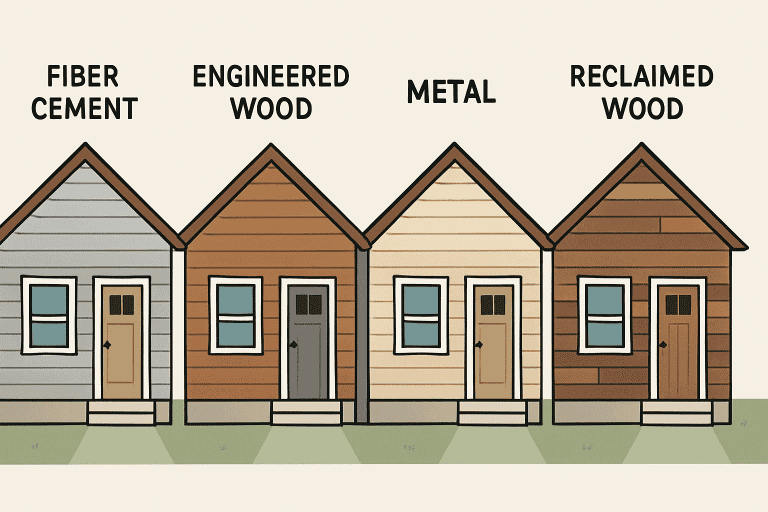
Fiber cement siding is renowned for its impressive longevity and eco-conscious attributes. Produced from a blend of cement, sand, and cellulose fibers, it recreates the texture and appearance of natural wood without requiring the same level of upkeep.
One of the most considerable benefits of fiber cement is its resistance to fire, termites, and rot—making it a wise exterior choice for various climates. In addition, many brands focus on sustainability by using recycled materials or environmentally sensitive manufacturing methods, reducing their overall carbon footprint. Homeowners can expect fiber cement siding to last up to 50 years or more with minimal fading or degradation, according to Better Homes & Gardens.
Engineered Wood Siding: Natural Look with Enhanced Performance
For those who prefer the warmth and timelessness of wood, engineered wood siding offers a compelling alternative. Unlike traditional lumber, engineered wood is manufactured using wood fibers, waxes, and resins that create a product resistant to moisture-induced warping or decay. This innovation prolongs its life and makes it a more sustainable option by utilizing wood byproducts that might otherwise be discarded.
Manufacturing usually requires fewer virgin materials, ensuring a lighter environmental impact. Engineered wood siding is available in many finishes and styles, making it easy to achieve a classic or contemporary appearance without sacrificing substance for style.
Metal Siding: Modern and Resilient
Metal siding stands out for a striking, contemporary look combined with enduring strength. Common materials like aluminum or steel are tough against harsh weather, insects, and fire, ensuring your investment lasts decades.
Metal is also easy to clean and fully recyclable at the end of life, fitting perfectly into a sustainable home upgrade. Homeowners seeking modern architecture will appreciate metal’s sleek, uniform finish and longevity, making it an attractive option for those wanting low maintenance and reliability. Learn more about the growing popularity of metal siding for residential projects at Architectural Digest.
Vinyl Siding: Affordable and Versatile
Vinyl remains a preferred choice for many homeowners due to its affordability and adaptability. One of its most significant advancements in recent years is the availability of insulated vinyl panels, which increase a home’s thermal resistance and can drive down energy bills. With a broad spectrum of color and texture choices, vinyl can capture everything from bold modern designs to subtle, traditional appearances. Better still, maintenance is easy—periodic rinsing is usually all that’s required to keep it looking fresh. While not as inherently eco-friendly as some other materials, insulated vinyl siding has made significant strides in helping homeowners boost energy efficiency and reduce their home’s carbon impact.
Reclaimed Wood Siding: Character and Sustainability
Reclaimed wood is your go-to material if you want siding that tells a story. Salvaged from aged barns, factories, or warehouses, each plank brings a unique pattern and history to your home’s exterior. This practice diverts usable lumber from the waste stream and eliminates the energy and resources needed to harvest and process new timber. By choosing reclaimed wood siding, homeowners complement a sustainable philosophy with unmatched visual character—no two installations are ever alike, making it the most distinctive siding material for environmentally conscious homes.
Conclusion
The decision to upgrade your home’s siding is crucial for energy efficiency and overall visual appeal. With a broad array of materials—fiber cement, engineered wood, metal, vinyl, and reclaimed wood—today’s homeowners can personalize their property while considering long-term sustainability. Carefully evaluating each siding option’s durability, maintenance, and environmental impact helps ensure you select the best fit for your needs. As materials and manufacturing methods evolve, so do the opportunities to boost your home’s performance and style while staying true to green building principles.
