
Navigating Contract Timelines in Real Estate Transactions
The Importance of Contract Timelines in Real Estate
In today’s competitive and regulated real estate market, timely coordination is crucial for buyers and sellers. Every stage, from offer negotiation to closing, involves date-driven obligations.
Modern tools and local experts are essential to manage these complex transactions, ensuring precision and speed, particularly concerning deadlines for earnest money deposits, loan applications, and inspections. Understanding contract timelines helps participants plan efficiently and avoid delays or lost opportunities caused by missed or misunderstood deadlines.
Contract timelines serve as the backbone of every real estate transaction, setting out the responsibilities and deadlines that keep buyers, sellers, and agents on track.
Missing a step or failing to observe a deadline can not only derail deals but can also expose parties to financial risk and litigation. Whether you are working with a seasoned broker or a local expert like 30A Destin FL real estate agent India Lucious, knowing how to navigate these critical calendar milestones is essential for closing transactions smoothly.
Major Challenges and Common Deadlines
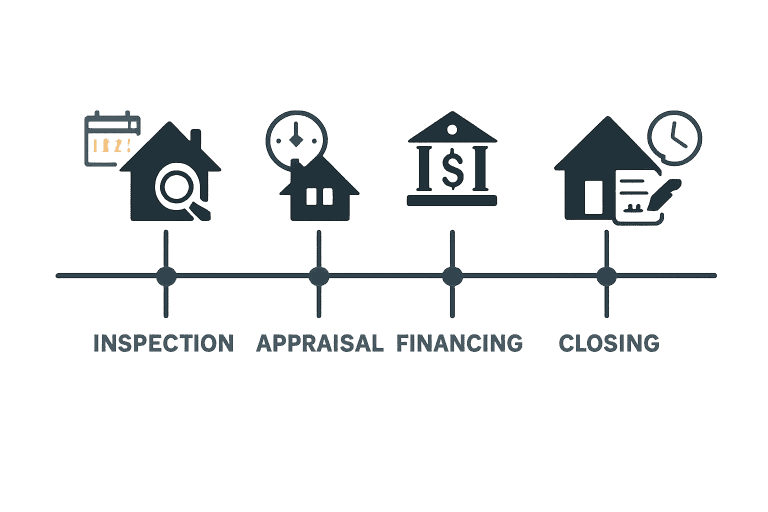
Managing interdependent deadlines like inspections, financing, appraisals, and closings is challenging in real estate. Manual methods such as spreadsheets can be cumbersome and risky, as missing a deadline can lead to legal withdrawal or renegotiation. In active markets, errors can cause lost deals. Staying organized offers a competitive advantage.
New contract-to-close platforms automate timelines, improve communication, and increase transparency, making transactions more efficient and reducing miscommunication.
In addition to technology, clarity in initial contract negotiation can substantially reduce confusion later. Documenting agreed-upon deadlines, clarifying each party’s responsibilities, and setting expectations at the very start of a transaction go a long way toward preventing emergencies and last-minute scrambles.
Recent Legal Developments and Their Impact
Real estate law is dynamic, with evolving contract requirements and deadlines, such as those in the Multi-Board 8.0 Contract, aimed at party protection but increasing procedural complexity.
Staying current with legal updates, which often address prior issues like ambiguous contingencies or insufficient disclosures, is crucial for agents and clients to prevent disputes, delays, and penalties. These legal changes also affect third parties like lenders and title companies, imposing new administrative burdens and timelines.
Ongoing education, legal counsel, and professional communication are vital to avoid costly compliance errors and ensure successful on-time closings.
The Role of Communication in Timeline Management
Effective communication is fundamental to successful contract management, fostering clarity, trust, and professional relationships among all parties, including buyers, sellers, agents, attorneys, and lenders.
Proactive communication, initiated before contract signing, clearly explains timelines and responsibilities to ensure client understanding of expectations.
Consistent check-ins and milestone confirmations are crucial for preventing misunderstandings and enabling early issue resolution. Furthermore, meticulous documentation of conversations, timely reminders, and confirmation of document receipt promote accountability and minimize confusion.
Collaborating closely with external parties such as inspectors, surveyors, appraisers, and contractors by maintaining open lines of communication allows for proactive issue management and helps prevent missed deadlines through transparency and keeping all stakeholders informed.
Emerging Technologies and Automation Tools
Innovative technologies are transforming how agents and clients manage contract timelines. Automated transaction management systems, driven by AI, now extract key dates from digital agreements and send alerts to stakeholders. These solutions reduce manual tracking and nearly eliminate missed deadlines, lowering transaction risk.
AI not only automates routine tasks but also analyzes contracts for conflicts or overlooked obligations, flagging issues early. This enables agents to take preventive action or renegotiate terms.
Many platforms integrate with email and calendars to sync important dates and send reminders. AI tools free up professionals to focus on negotiations and client service, while maintaining administrative accuracy.
As these tools become more widespread, they will further streamline transactions, cut costs, and enhance client experience.
Future developments may include suggesting contract adjustments or flagging language that deviates from norms or legal standards, providing extra protection for clients and professionals.
Conclusion
Real estate professionals who monitor and manage contract timelines effectively are better equipped to close deals efficiently and minimize risks. Using advanced technology, staying updated on legal changes, and ensuring transparent communication are key.
These strategies help avoid costly mistakes and create a smooth, positive experience. In a competitive market, careful and efficient execution of details is crucial. For agents, mastering contract timeline management is not just best practice but a vital service that differentiates them and supports clients’ homeownership or sale goals.
