
Essential Gear for Mastering Woodwork Projects at Home
Tackling woodworking projects at home is a rewarding pursuit—whether you’re building a bookshelf, restoring furniture, or crafting a bench. Success depends not just on enthusiasm, but on having the right tools. The proper gear improves precision, efficiency, and safety while delivering professional results.
For technicians, tradespeople, and electrical contractors, applying existing skills to woodworking becomes much easier with the right equipment.
Measuring and Marking Tools
Accurate measurements are the backbone of carpentry. A project that begins with precise marking is more likely to end well. A tape measure with both metric and imperial markings offers flexibility across various tasks. A combination square is key for marking 90° and 45° angles and ensuring square edges.
For repeatable, parallel markings, a marking gauge is ideal—especially when preparing joints. A spirit level helps you check alignment, particularly useful when fitting shelves or frames. Together, these tools reduce material waste and ensure consistency.
Cutting Tools
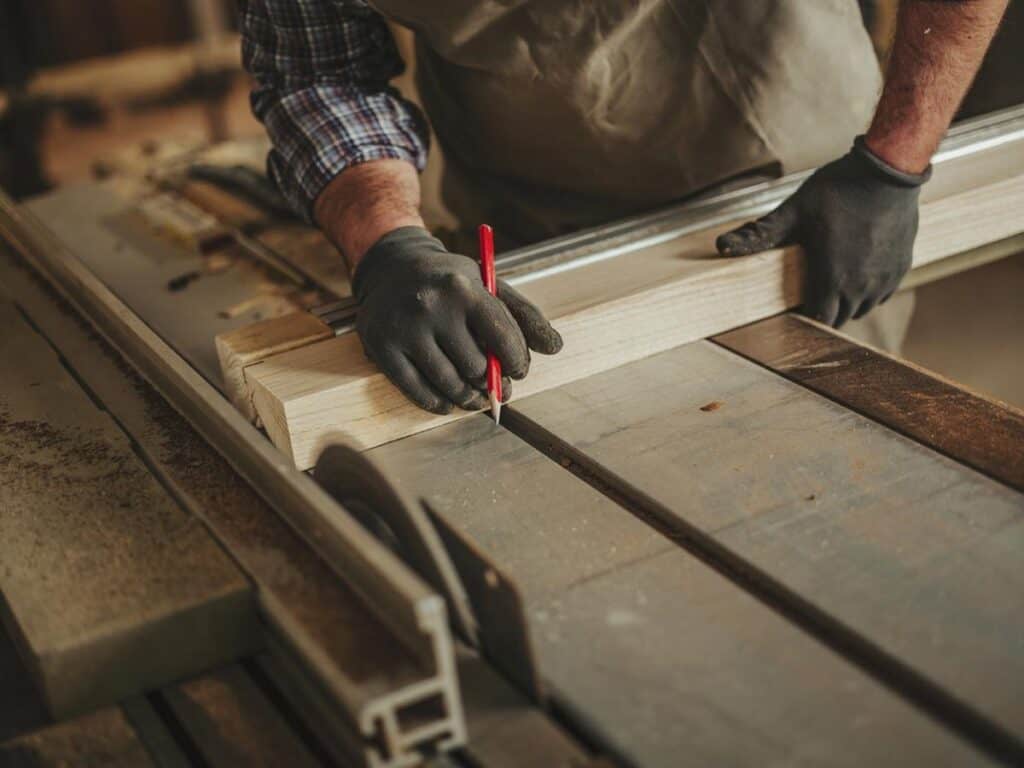
Once timber is marked, it’s time to shape it with precision and control. Having the right cutting carpenter tools and equipment makes all the difference in achieving accuracy, efficiency, and a quality finish. A general-purpose hand saw is great for straight cuts, while a fine-toothed backsaw offers more precision for detailed tasks.
Circular saws provide power and speed for long, clean cuts, and mitre saws excel at repeatable angled joints. For curved or intricate work, jigsaws offer excellent versatility. Chisels remain vital for refining joints and notching areas where detail matters. Whatever the tool, sharp blades are essential for smooth results and safer handling.
Shaping and Smoothing Tools
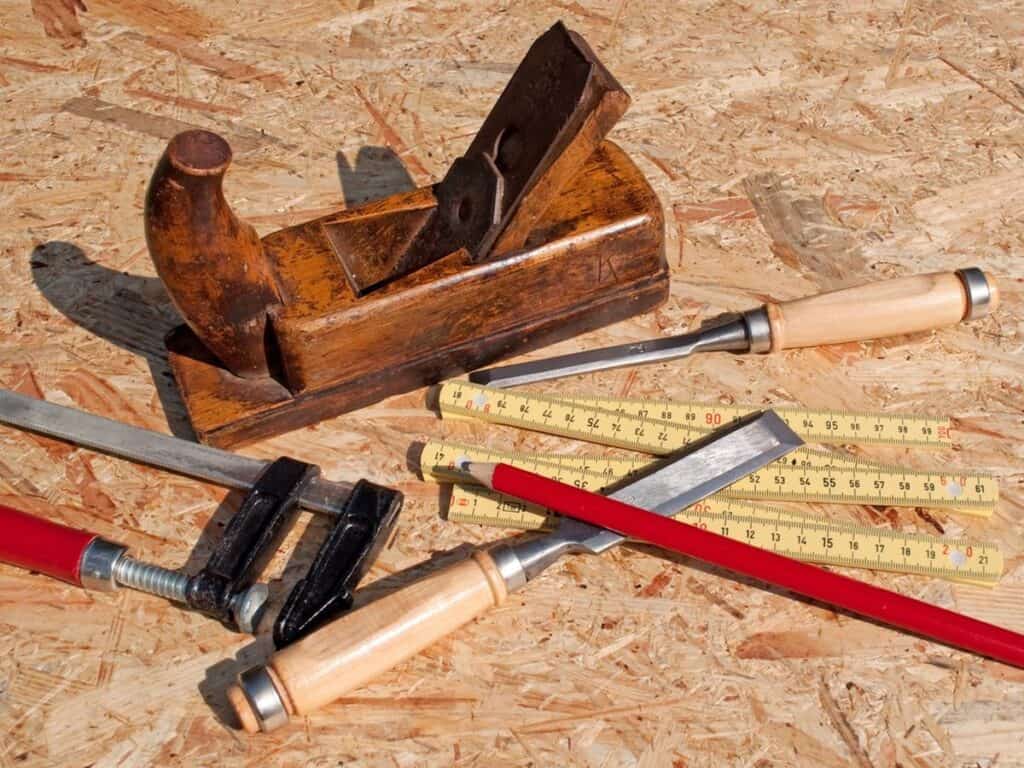
After cutting, timber usually needs refining. A block plane trims and smooths end grain or tightens joints. Rasps and files are great for rough shaping, especially on curved edges or tight spots.
For finishing, a random orbital sander produces an even, swirl-free surface, perfect for preparing wood for paint, stain, or sealant. A router adds both detail and function, capable of cutting grooves, edges, and chamfers. These tools enhance both the appearance and structural performance of your projects.
Joining Tools
Strong joints are crucial for structure and stability. Wood glue and clamps form solid, seamless bonds—particularly useful in furniture-making. A nail gun or hammer speeds up assembly when visible fixings are acceptable.
Screwdrivers or drill drivers are essential for pilot holes, fastenings, and hardware installation. A pocket hole jig provides a simple way to create strong, hidden joints, giving your work a cleaner finish. The right joining method depends on the strength and look required for each project.
Safety and Maintenance
Woodworking brings certain risks, so safety is non-negotiable. Dust masks and goggles protect your lungs and eyes from sawdust, especially when cutting or sanding. Ear protection is a must when using noisy power tools. Gloves help prevent splinters and improve grip, while a first aid kit should always be nearby for minor injuries.
Tool maintenance also matters. Clean, lubricate, and inspect your tools regularly to extend their life and ensure they perform safely. A well-organized, tidy workspace improves both safety and productivity.
Build Smarter, Work Safer, Finish Better
Woodworking at home is a practical and fulfilling way to extend your skillset. With the right tools, safe habits, and a focus on accuracy, technicians and tradespeople can build high-quality projects that are both useful and lasting. Whether it’s a custom piece of furniture or a DIY repair, investing in the right gear sets the stage for success.
