
How to Protect Your Roof During Storm Season
Storm season brings heavy rains, strong winds, hail, and even fallen debris that can wreak havoc on your home. Among all parts of your house, your roof often takes the brunt of this damage.
Because your roof is your first line of defense against the elements, protecting it should be a top priority. With a little preparation and ongoing maintenance, you can lessen the risk of costly local roof repair Leesburg or even a premature roof replacement.
Below are some practical and effective ways to protect your roof during storm season.
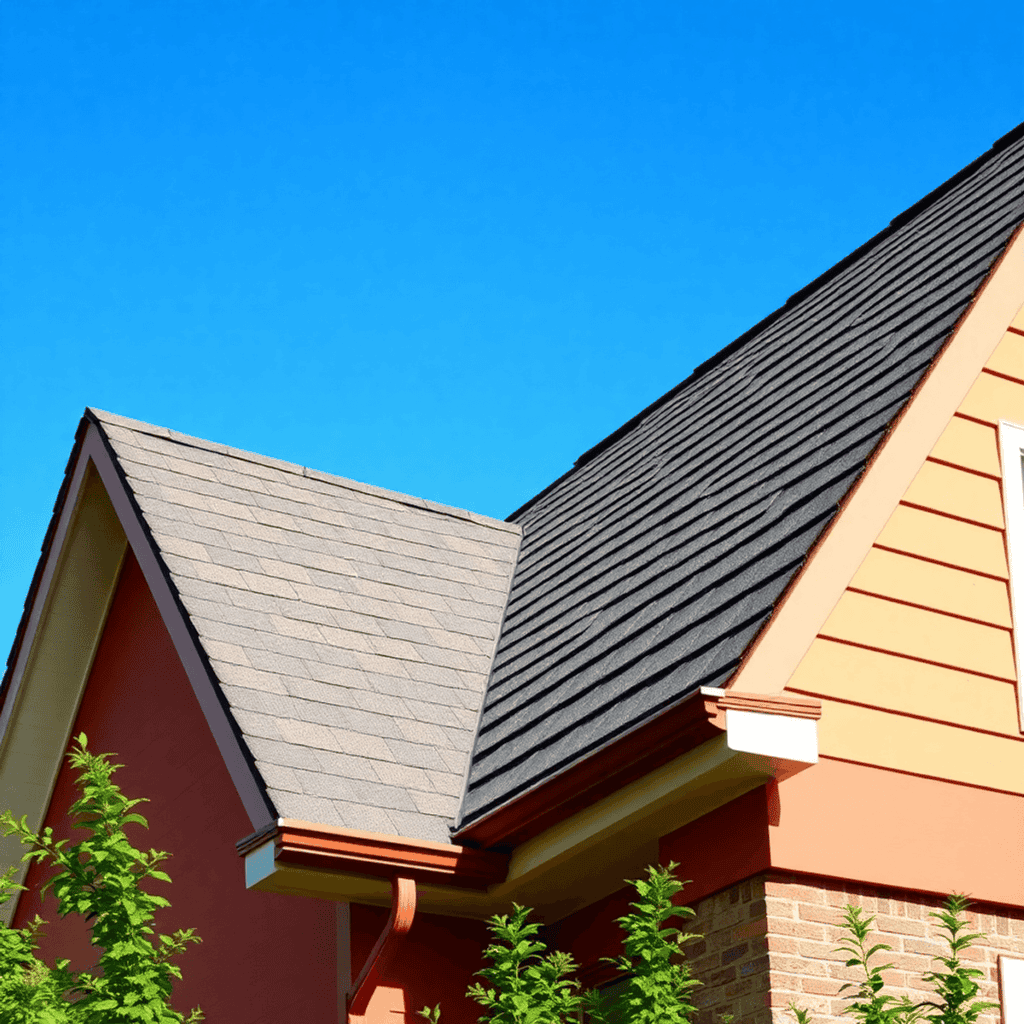
1. Schedule a Roof Inspection Before Storm Season
One of the best steps you can take is to have a roofing professional inspect your roof before storm season begins.
A trained eye can catch small issues like loose shingles, cracks, or deteriorated flashing that could turn into major leaks during a heavy downpour. Think of an inspection as preventative care. Regularly spending on a roof inspection can save you from significant water damage and costly roof leak repairs later.
2. Keep Your Gutters Clear
Clogged gutters do not let water from draining, which can cause it to back up under your roof shingles or pool around your foundation. During storm season, when rain often comes down fast and hard, clean gutters are crucial. Add it on your list of to do’s to clear out leaves, twigs, and other debris regularly. Consider installing gutter guards to lessen buildup and reduce your maintenance workload.
3. Trim Overhanging Trees and Branches
High winds are notorious for turning tree branches into dangerous projectiles. Even if branches don’t break off completely, they can scrape across your shingles and cause damage. Trim back any limbs that hang close to your roof to lessen the risk of impact and to prevent leaves from clogging gutters.
4. Secure Loose Shingles and Flashing
Loose or damaged shingles can easily be torn off by strong winds, exposing the underlayment of your roof and leading to leaks. Similarly, loose flashing around chimneys, skylights, and vents is a common weak spot where water can seep in. If you notice areas of concern, have them repaired promptly, preferably before the first big storm hits.
5. Check for Proper Attic Ventilation and Insulation
It may surprise some homeowners, but your attic plays a huge role in storm protection. Proper ventilation and insulation keep your roof from experiencing unnecessary strain. Poor ventilation can trap moisture, leading to rot and mold, while inadequate insulation may cause uneven heating and cooling that weakens roofing materials. Before storm season, make sure your attic is in good shape to provide extra support.
6. Reinforce with Roof Straps or Clips
For homeowners in regions known for hurricanes or extremely strong storms, additional reinforcement may be worth the investment. Roof straps or clips can help secure your roof to the structure of your home, making it more resistant to high winds. This type of upgrade is often recommended in coastal areas or places where storm season brings intense weather year after year.
7. Inspect and Seal Skylights and Chimneys
Skylights, chimneys, and vents are common sources of leaks during heavy storms. Check the seals and caulking around these features to ensure they’re intact. If you spot cracks or deterioration, reseal them before storm season begins. Even a small gap can let in a significant amount of water during prolonged rain.
8. Don’t Forget the Surrounding Yard
Protecting your roof isn’t just about the roof itself; it’s also about what surrounds it. Patio furniture, grills, and even children’s toys can be lifted by high winds and hurled at your roof. Secure or store loose outdoor items before a storm to minimize the risk of impact damage.
9. Review Your Homeowner’s Insurance
Even if you prepare well, storm damage can still happen. That’s why it’s important to review your homeowner’s insurance policy before storm season begins. Make sure roof damage is covered, and understand what your deductible will be. Having the right coverage in place ensures you won’t face devastating financial burdens if repairs are necessary.
10. Know When to Call in the Professionals
After a storm passes, it’s always wise to check your roof for signs of damage. Look for missing shingles, dented gutters, or debris buildup. However, avoid climbing onto the roof yourself, especially if it’s wet or unstable. Instead, call in a roofing professional who can safely assess the situation and recommend the best course of action.
Final Thoughts
Storm season is inevitable, but major roof damage doesn’t have to be. By taking proactive measures like scheduling inspections, maintaining your gutters, trimming trees, and securing weak spots, you can greatly reduce the risks.
Remember, your roof protects everything beneath it: your home, your belongings, and your loved ones. Giving it the attention it needs before and during storm season is an investment in peace of mind.
If you haven’t prepared your roof yet, now is the time to start. A little maintenance and foresight can make all the difference when the next storm rolls in.
