
How Routine Furnace Maintenance Can Prevent Breakdowns
Key Takeaways
- Routine furnace maintenance considerably lowers the risk of mid-winter system failures. Proactively caring for your furnace means you’re less likely to face a no-heat emergency during cold weather when repair professionals are busiest.
- Cleaning or replacing filters and checking components boosts both performance and air quality. Households benefit from cleaner air and a more efficient system, creating a healthier living environment for everyone.
- Expert inspections can catch unseen problems before they develop into costly repairs. Trained technicians have the experience and tools to diagnose issues that may be invisible to the average homeowner but could result in breakdowns if left untreated.
- Homeowners should handle basic upkeep, while professionals address in-depth annual reviews. This dual approach ensures that your furnace receives both ongoing attention and comprehensive care, maximizing function and safety year after year.
Ensuring your home stays warm throughout the winter begins with proactive furnace care. Routine maintenance is the best measure you can take to avoid sudden system failures, improve energy efficiency, and get the most out of your heating investment.
For residents seeking heating and cooling repair in Woodbridge, VA, preventive service is especially crucial when temperatures drop and demand for furnaces increases.
A well-maintained furnace can make the difference between a cozy evening indoors and an emergency call for repairs on the coldest night of the year. Establishing a regular maintenance plan means you’re taking charge of your home’s comfort and energy performance before any problems arise.
Neglecting simple maintenance tasks can lead to higher energy bills, poor air quality, and, most worryingly, unexpected breakdowns at the worst possible time. Over time, dust and debris accumulate inside your furnace, filters get saturated, and moving parts start to wear out.
These minor issues can quickly turn into major headaches if overlooked, especially when your system is working overtime during a cold spell. With the right approach, homeowners can avoid these inconveniences and protect both their comfort and their wallets.
Whether you’re tackling basic DIY steps or scheduling annual professional visits, keeping your furnace in shape pays back in reliability and safety. Proactive care boosts confidence that your heating system will deliver consistent performance all season long, reducing stress and unforeseen expenses when you need heat the most.
Benefits of Regular Furnace Maintenance
Sticking to a maintenance schedule offers more than just peace of mind. A well-kept furnace operates efficiently, translating into tangible savings on monthly bills. Older or neglected furnaces often have to work much harder, sometimes running longer cycles or using more fuel to achieve the same result, leading to higher utility costs and unnecessary wear.
Simple measures, such as regularly cleaning or replacing air filters, help keep your system from working overtime, thereby reducing energy waste.
This also puts less strain on mechanical components, allowing your furnace to operate at peak efficiency and reducing the likelihood of early component failure. For detailed guidance on furnace maintenance, including step-by-step tips and professional recommendations, see This Old House’s furnace maintenance guide.
Another major benefit is improved reliability. By catching problems early, you reduce the chances of being left in the cold during a winter cold snap. Professional checks often identify worn-out parts or dangerous buildups before they pose any hazard, enhancing household safety and comfort.
Even a seemingly minor issue, like a failing blower motor or a loose electrical connection, can snowball into a total breakdown if not addressed quickly. Regular tune-ups mean that you’re far more likely to avoid these costly surprises and can trust your furnace to perform consistently when you need it.
Finally, a well-maintained furnace lasts significantly longer, putting off the expense and stress of a complete replacement. Over the years, dirt buildup and neglected repairs can shorten your furnace’s lifespan by causing internal damage or chronic inefficiency.
Consistent preventive care is an investment in the lifespan of your entire heating system, and the return comes in both fewer repairs and less frequent replacements. The bonus? Potentially higher resale value for your home, since buyers appreciate a well-documented maintenance record for major appliances.
Essential Maintenance Tasks
1. Replace Air Filters Regularly
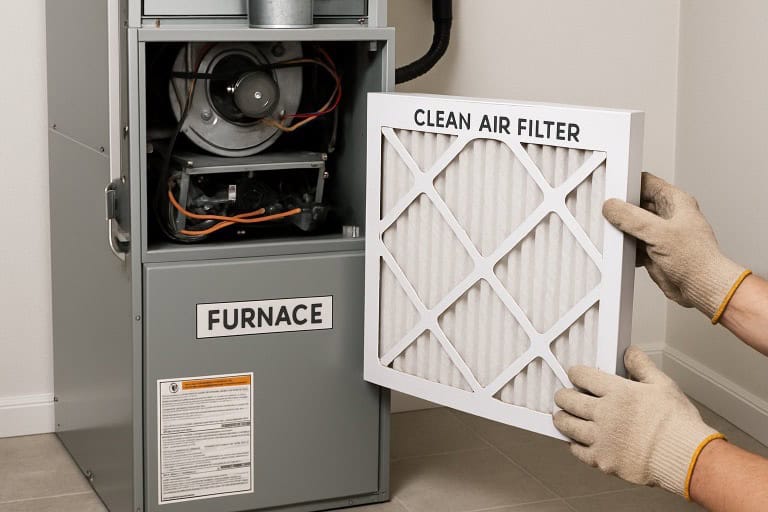
Filters are your first line of defense against dirt, dust, and allergens circulating through your heating system. When filters clog, air can’t flow freely, forcing the furnace to work harder and increasing its risk of breakdown.
Change filters every 1–3 months, especially when the furnace is in heavy use or if pets and allergy sufferers live in your home. This simple action not only prevents malfunctions but also improves indoor air quality and system efficiency.
Consistently updating filters also limits the spread of allergens, reduces household dust, and can help mitigate respiratory issues for sensitive individuals.
2. Inspect and Clean Vents and Ducts
Dusty or blocked vents and ducts obstruct airflow and strain your system. Make it part of your seasonal routine to look for dust, debris, or any obstructions along all vents. Vacuum or wipe grates and clear the ductwork of accumulated dirt.
Rooms that seem colder or warmer than the rest of your home may be suffering from restricted airflow, making it particularly important to investigate vents and ducts.
A thorough professional duct cleaning every few years ensures that no hidden buildup compromises your furnace’s performance or air quality. The EPA’s guide on air duct cleaning provides additional insight into when duct cleaning is warranted.
3. Test and Calibrate the Thermostat
If your furnace is running erratically, the culprit might be your thermostat, not the system itself. Check that your thermostat is reading temperatures accurately and responding to settings. Malfunctioning thermostats can cause your heating system to cycle on and off unnecessarily or run for longer than needed, leading to discomfort and higher bills.
If your home is often too hot or too cold despite adjustments, calibration or an upgrade to a programmable thermostat could solve the problem and help save on energy costs. Modern smart thermostats also offer features geared toward maximizing both comfort and efficiency, such as learning your schedule and automatically adjusting settings when you’re away.
4. Schedule Professional Inspections
No matter how diligent your DIY care is, annual professional maintenance is essential. HVAC technicians perform deep cleanings, lubricate moving parts, and check the entire system for leaks, faulty wiring, and dangerous gas emissions.
These check-ups help keep your system operating safely, efficiently, and at peak performance when you need it most. Professionals can also suggest upgrades or safety improvements that may extend the life of your equipment, making sure you get the most from your investment.
DIY Furnace Maintenance Tips
- Clear the Area Around the Furnace: Always keep the space around your furnace free of boxes, clothing, and other debris to maintain proper airflow and reduce fire risks. Obstructed furnaces have to work harder, which not only shortens the life of the unit but poses safety hazards as well.
- Listen for Unusual Noises: Any unexpected rattling, banging, or squealing noises could indicate a loose part or impending failure. Address these noises quickly to prevent further damage and ensure that minor problems don’t escalate into major repairs requiring expensive fixes or emergency service calls.
- Monitor Carbon Monoxide Detectors: Furnaces can sometimes develop leaks. Carbon monoxide detectors alert you to dangerous conditions—test these detectors regularly and replace batteries as needed for home safety. Because carbon monoxide is invisible and odorless, functional detectors are critical to early warning and overall household safety.
Conclusion
Taking the time to maintain your furnace is the best way to secure uninterrupted comfort and lower operational costs throughout the winter.
Consistent upkeep helps prevent inconvenient breakdowns, improves air quality, and prolongs the life of your heating equipment. Combining simple homeowner tasks with scheduled expert visits ensures you’ll be ready for whatever the season brings. With regular maintenance, you can feel confident your furnace will run smoothly and efficiently—no matter how low the temperature drops outside.
