
Sustainable Practices for Long-Lasting Roof Performance
A house’s roof serves as its principal barrier against the weather; maintaining it is essential to preserving the building’s structural integrity.
A roof’s longevity is influenced by various factors, from the type of materials to the quality of installation and the severity of local weather conditions.
A critical aspect of preserving your roof’s integrity over time is establishing a relationship with a roofing contractor, whose expertise can guide homeowners in making informed decisions about roof maintenance and repairs.
Understanding Roof Lifespan: Factors and Averages
Depending on the choice of materials and exposure to harsh elements, a roof’s expected lifespan can vary considerably. Materials like asphalt shingles typically provide service for 15 to 30 years, while metal or tile roofs can last several decades with the proper care.
Regular inspections and promptly addressing minor damages are essential to extending a roof’s life and can prevent costly complications. Factors such as the pitch of the roof and proper ventilation also play significant roles in determining its longevity.
Maintaining Your Roof: Routine Inspection Tips
An important aspect of roof maintenance is timely inspections, ideally in the spring and fall. Inspecting for evidence of deterioration, such as broken or absent shingles, is crucial.
Other elements to look for include the condition of the sealant around vents and chimneys and the integrity of drainage systems. While some homeowners may be comfortable performing these checks, hiring a professional roofer can provide a more thorough examination and peace of mind.
They can spot potential issues that untrained eyes might miss and recommend preventive measures.
When to Call the Professionals: Signs of Roof Distress
There are distinct indicators that signal the need for professional help regarding roof maintenance. Consider the possibility that water stains on your walls or ceilings indicate a leak that must be fixed immediately.
Other red flags include sagging roof decking, moss or algae growth, and damaged flashing. Ignoring such symptoms can lead to structural damage and costly repairs.
Dealing With Extreme Weather: Roof Protection Strategies
Extreme weather conditions such as heavy snow, severe storms, and hail can significantly damage a roof. Implementing protective measures can minimize these impacts.
For instance, installing a waterproof underlayment beneath roofing materials can provide an additional barrier against water. Regular removal of debris and accumulated snow can also preserve the structure. Also, proper attic insulation and ventilation are critical factors in preventing ice dams that can wreak havoc on roofs during winter.
Homeowners should get their roofs assessed by a professional after particularly severe weather events to ensure any hidden damage is addressed promptly.
Common Roofing Materials: Their Lifespan and Maintenance Needs
Diverse roofing materials cater to different aesthetic preferences, budgets, and climatic conditions. Traditional materials like asphalt shingles might be sufficient for those in milder climates.
However, given its longevity and fire resistance, metal roofing can be preferable in regions vulnerable to wildfires or intense storms. Homeowners must understand their chosen roofing materials’ initial cost and long-term maintenance requirements.
It includes tasks such as regular cleaning, treating for moss and algae prevention, and timely repairs to damaged sections.
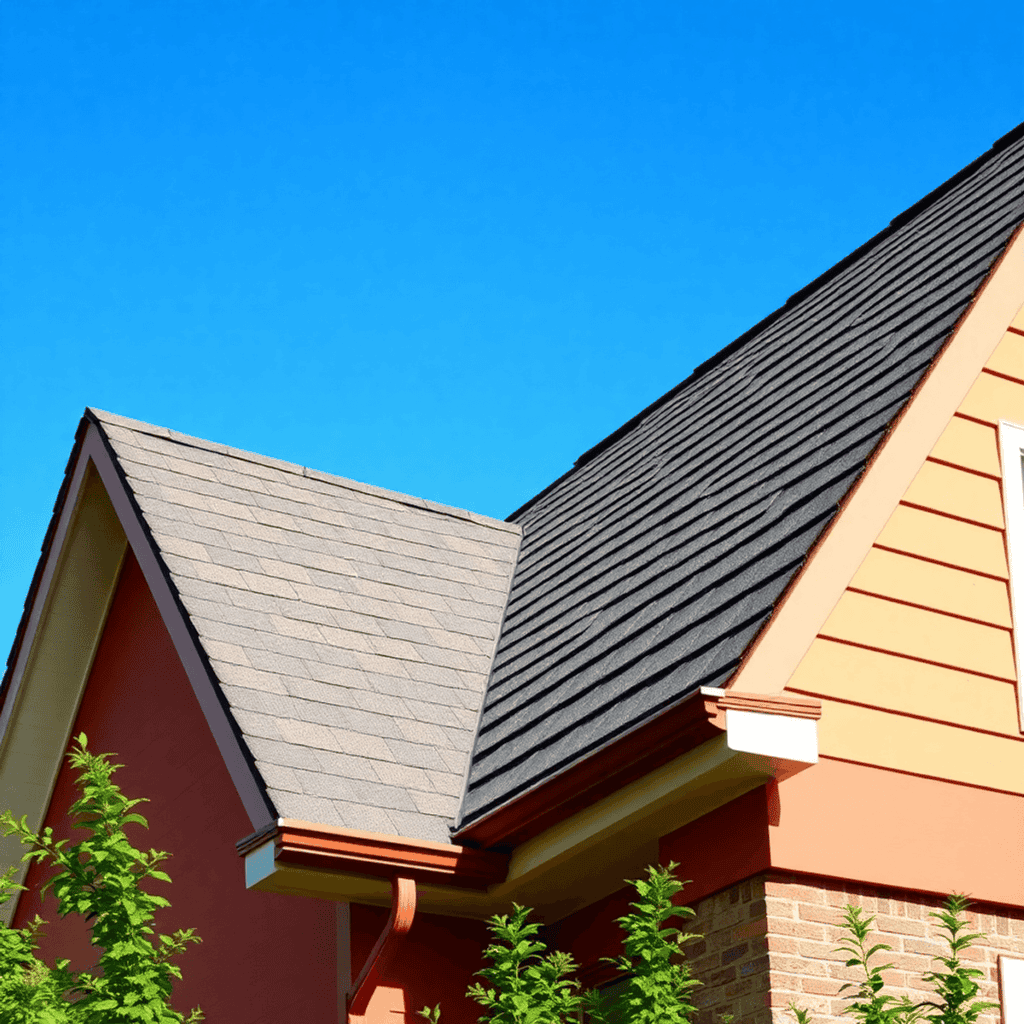
Proactive Replacement vs. Reactive Repair: Making the Right Choice
The decision between preemptively replacing a roof and reacting with spot repairs can be complex. It encompasses considerations such as the roof’s age, the extent of the damage, and the potential for future problems. Taking a proactive approach might involve a more significant initial investment but can prevent more severe issues and additional costs in the future. On the other hand, timely repairs can extend a roof’s life if the underlying structure is sound.
Navigating Insurance: Covering Costs of Roof Repairs
Understanding what your homeowner’s insurance covers regarding roof damage is essential for fiscal planning. Damage resulting from unforeseen events, such as natural disasters or unexpected accidents, is often covered, alleviating the financial burden of repairs. It’s essential for homeowners to thoroughly read their policies and maintain up-to-date records of roof maintenance, as this documentation can be vital when making insurance claims. Clear communication with insurance representatives ensures that homeowners are fully informed about their coverage and can quickly address roofing issues.
DIY Roof Maintenance: What You Can and Shouldn’t Do
While a do-it-yourself approach may be appealing and cost-saving for some, it’s essential to differentiate between tasks suitable for DIY and those that require professional experience. Cleaning gutters, inspecting for loose or missing shingles, and trimming nearby branches can typically be done by homeowners.
However, tasks like replacing shingles, repairing flashing, or addressing structural damage should be delegated to professionals to ensure the work is done safely and effectively. Roofing work may be hazardous, and if a residential roof repair are done incorrectly, they may result in more damage or shorten the roof’s lifespan.
Green Roofing: Sustainable Options and Care
Eco-conscious homeowners are increasingly turning to green roofing options, which contribute to a sustainable environment and improve a building’s insulation and, thus, its energy efficiency.
These living roofs require specialized installation and care, and their maintenance differs from traditional roofs.
They need to be irrigated, weeded, and inspected for the proper growth of the plant material. Homeowners interested in these eco-friendly options should consult with knowledgeable professionals to ensure that their roof can support the additional weight and that they are prepared for the ongoing care green roofs require. For more on the benefits and upkeep of various materials, Consumer Reports offers an extensive guide.
Building a Relationship With Your Contractor
Building a solid working relationship with a roofing contractor benefits homeowners by ensuring consistent quality of service and a deep understanding of the unique aspects of one’s roof. A reliable contractor will keep detailed records of every inspection, repair, and upgrade, which can be invaluable for warranty purposes and eventual resale value.
They will also be more aware of the homeowner’s preferences and financial considerations, allowing for tailored advice on preventive maintenance, potential upgrades, and planning for eventual replacement.
More Articles About Roofing
- Is It Time for a Roof Inspection? Signs to Look For
- Weather-Proofing Your Commercial Roof: Tips for Different Climates
- The Value of Continual Roof Upkeep for House Owners
- How to Spot the Signs That You Need a Roofing Contractor’s Expertise
- Roofing Tips for Homeowners: Fix Common Roofing Problems
- Eco-Friendly Roofing Solutions for Modern Homes
- 6 Proven Ways to Extend Your Roof’s Lifespan
- The Importance of Regular Roof Maintenance and Inspections
- Protect Your Investment: Essential Roof Maintenance Tips for Homeowners
- Metal Roofing Benefits: 8 Reasons to Get It
- Sustainable Practices for Long-Lasting Roof Performance
- Innovations in Building Materials: The Future of Residential Roofing
- The Rising Popularity of Metal Roofing: A Durable Investment
- Why Proactive Roof Maintenance Saves You Money and Stress
- Emergency Roof Repairs: Why Quick Action Saves Money and Time
