
The Top Things to Look for During a Home Showing
Touring a potential new home is both exciting and overwhelming. It’s easy to get caught up in first impressions, but looking beyond the surface will help you make an informed decision—and prevent unexpected headaches down the road.
Whether you’re a first-time buyer or a seasoned investor, these crucial factors will guide you in evaluating a property thoroughly. For insights and local guidance, consult with the Madison WI real estate experts MHB Real Estate, who can help you navigate every step.
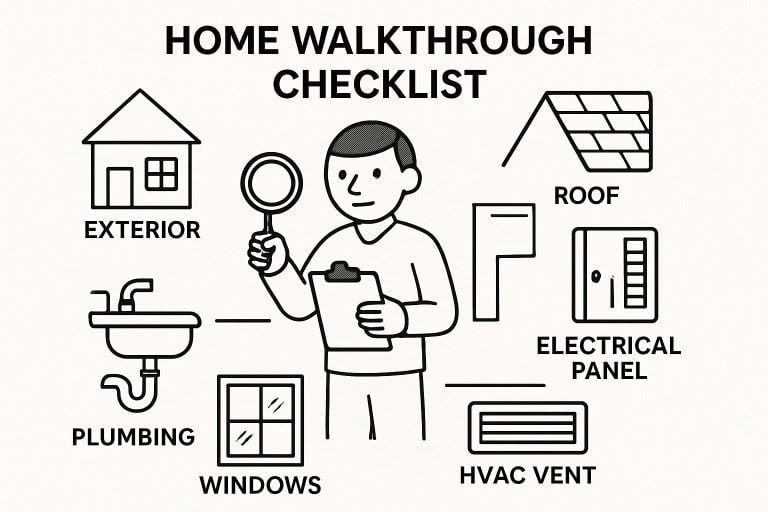
From the roof’s condition to the scent lingering in the air, there are many subtle and not-so-subtle cues to pick up on during a home showing. Taking the time to examine each area critically can save you money and stress in the long run. This checklist is designed to help you identify any red flags while pointing out positive features that could make a house your next home.
Structural Integrity and Maintenance
The backbone of a safe and comfortable home lies in its structural integrity. Take time to examine the walls, ceilings, and floors for visible cracks, stains, or evidence of water damage.
These can hint at more significant problems lurking below the surface, such as foundational settling or past leaks. Pay attention to uneven floors or doors that don’t close properly, as these may indicate underlying foundation issues that could require costly repairs.
Plumbing and Electrical Systems
Plumbing and electrical issues can quickly become expensive if overlooked. Test faucets and showers for water pressure, watch for leaks or drips under sinks, and listen for odd noises in the pipes. Flush toilets to confirm proper operation and look for water staining around fixtures.
Examine the electrical panel; check for outdated wiring and ensure enough capacity for your modern needs. Flipping light switches, running major appliances, and making note of flickering lights will help you spot potential electrical red flags.
Heating, Ventilation, and Air Conditioning (HVAC)
- Ask about the age and recent maintenance of the HVAC system. An older system may need replacing soon, while regular maintenance records can offer peace of mind.
- Check that vents are unobstructed and confirm consistent airflow in every room. Inconsistent temperatures or weak airflow could indicate problems with the ductwork or the HVAC unit.
Windows and Doors
- Test every window and door to make sure they open and close smoothly. Hard-to-operate windows and doors can signal shifting foundations or warping from moisture.
- Observe for condensation or fog between double-paned windows. This points to failed seals, which can reduce energy efficiency.
Roof and Exterior
- Step outside and observe the roof for sagging, missing shingles, or other visible wear and tear. A problematic roof is a major investment and should not be overlooked.
- Inspect the gutters and downspouts to ensure water is directed away from the foundation, preventing costly water damage. Debris or poorly maintained gutters are signs of neglect that might extend to other home parts.
Neighborhood and Surroundings
The physical house is only part of the equation. The neighbourhood and nearby amenities can influence your daily lifestyle and the property’s long-term value. Visit the area at different times of the day to assess traffic flow, noise, and overall safety. Research the local school ratings and proximity to parks, hospitals, grocery stores, and entertainment options.
Odors and Air Quality
- Let your nose guide you. Musty or earthy smells can hint at mold or mildew growth, which may be costly to resolve and affect your health. Don’t overlook strong deodorizers or scented candles, as these might be masking persistent underlying odours.
- Look for moisture-prone areas, such as basements and bathrooms, which are common spots for air quality issues to arise.
Storage and Space Utilization
- Assess whether the home’s closet and storage space align with your family’s practical needs. Consider built-ins, basement storage, garage capacity, and extra closet space.
- The layout flow and room connectivity are crucial for comfort and daily functionality. Visualize your own furniture in the space and imagine hosting family and friends.
Final Thoughts
Being methodical about what you observe during a home showing puts you in the best position to invest wisely. This process, from checking the foundation to evaluating the community, helps reveal strengths and weaknesses that may affect your satisfaction as a homeowner. Make sure to bring a checklist and, when in doubt, seek more detailed inspections for peace of mind.
