
The Health Benefits of Indian Spices
Indian spices are not just delicious additions to food; they also offer a wide range of health benefits. These spices have been an integral part of Indian cuisine for centuries, and they are known for their unique flavours and nutritional properties. Here’s why they are important:
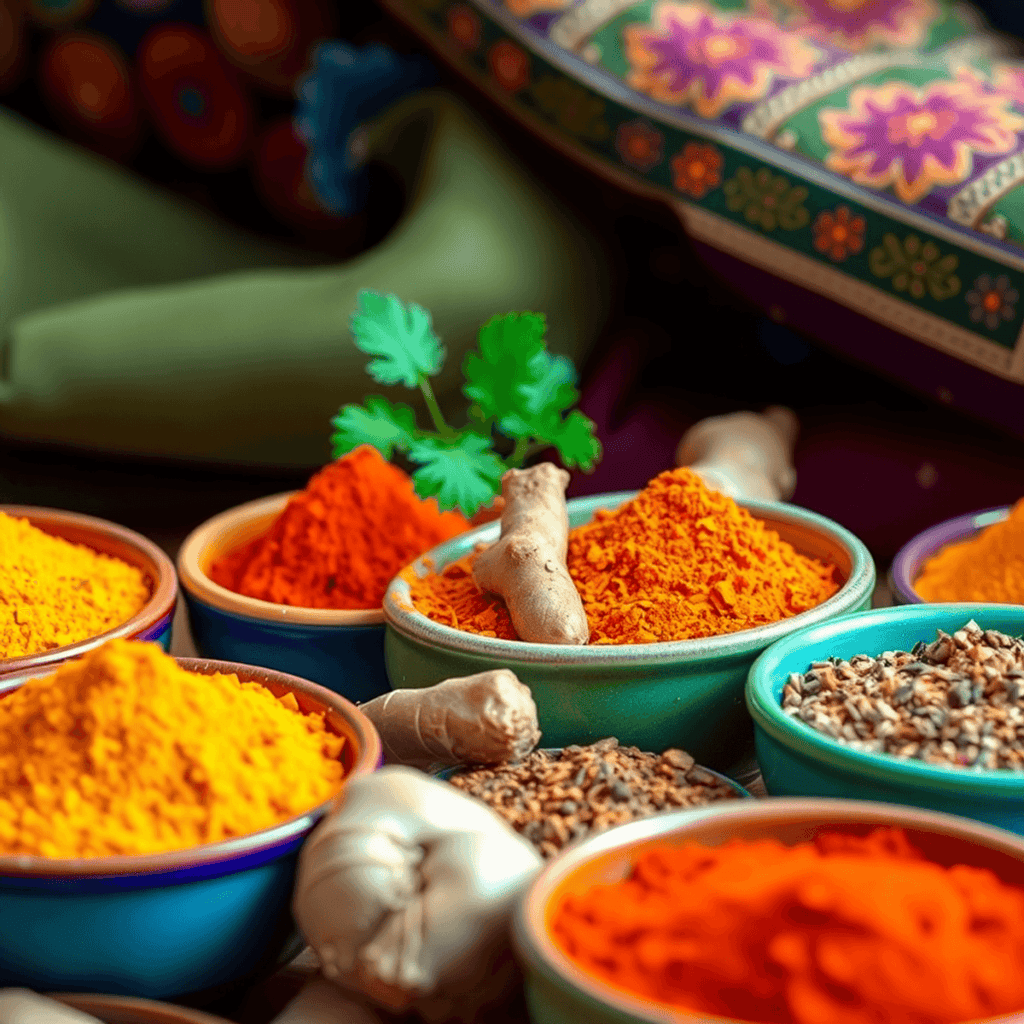
The world of Indian spices is vast, with options like turmeric, ginger, cumin, coriander, and many more. Each spice has its own distinct taste and health advantages, making meals both flavorful and nutritious.
Scientific Evidence of Wellness Contributions
Multiple studies have shown the health benefits of Indian spices, such as reducing inflammation, aiding digestion, and boosting the immune system. These spices can also support weight management and help prevent chronic diseases, making them valuable allies in our quest for good health.
Including these spices in our everyday meals is crucial not only for enhancing flavor but also for promoting well-being. For example:
- A tandoori potato naan wrap can be a delicious way to enjoy the benefits of various spices.
- A bowl of multi-cooker Indian potato curry with steamed rice can provide a wholesome meal packed with nutrients.
Whether we follow traditional recipes or experiment with modern twists, incorporating Indian food spices into our cooking brings joy and nourishment to our lives.
To learn more about how these ingredients can elevate your health journey while offering an authentic Indian dining experience, check out the following list of Indian spices and their benefits.
1. Turmeric: The Golden Spice for Inflammation and Disease Prevention
Turmeric, often referred to as the golden spice, is renowned for its impressive health benefits, primarily attributed to its active compound, curcumin. This vibrant yellow pigment boasts powerful anti-inflammatory properties, making it a valuable ally in combating various health issues.
Curcumin’s Healing Power
- Anti-inflammatory Effects: Curcumin effectively inhibits inflammatory pathways in the body, reducing chronic inflammation associated with conditions like arthritis and other inflammatory diseases.
- Chronic Disease Prevention: Regular consumption of turmeric may lower the risk of serious health concerns such as heart disease and certain cancers, thanks to its antioxidant capabilities that neutralize harmful free radicals.
Incorporating Turmeric into Your Diet
Adding turmeric to your daily meals is simple and delicious. Here are some practical tips:
- Golden Milk: A comforting drink made by simmering turmeric with plant-based milk, sweetener, and spices like ginger or cinnamon.
- Curries and Stews: Enhance the flavour of your favourite vegetarian curries by including turmeric for both taste and health benefits.
- Smoothies: Blend a teaspoon of turmeric into your morning smoothie for an extra nutritional boost.
Embrace the medicinal properties of Indian spice turmeric to elevate both your culinary experience and wellness journey.
2. Ginger: A Zesty Remedy for Digestion and Immunity
Ginger, known for its health benefits, is a powerful digestive aid and an effective immune booster. This fragrant root has been used for centuries in traditional medicine, especially in India.
Digestive Health Benefits
- Relieves Bloating: Ginger helps reduce discomfort by easing bloating and gas, making it a popular remedy after heavy meals.
- Nausea Relief: It is particularly effective against nausea caused by motion sickness or pregnancy, offering a natural alternative to over-the-counter medications.
Immune Support
- Ginger’s anti-inflammatory properties contribute to a strong immune system, helping the body fight off infections.
- Packed with antioxidants, it combats oxidative stress, further improving overall health.
Culinary Uses
Incorporating ginger into your diet can be both enjoyable and beneficial:
- Chai: A traditional Indian beverage that combines ginger with black tea and spices, providing warmth and comfort.
- Ginger-Infused Rice: Adding fresh ginger to rice dishes not only enhances flavor but also boosts their digestive properties.
Integrating ginger into your daily meals can greatly improve your digestive health while strengthening your immune system. Embrace this versatile spice to enjoy both its taste and wellness benefits.
3. Garlic: The Stinking Rose for Heart Health and Beyond
Garlic, often referred to as the stinking rose, is more than just a flavorful addition to dishes; it offers impressive health benefits.
Heart Health
One of the primary garlic health benefits lies in its ability to lower cholesterol levels and maintain healthy blood pressure. Studies suggest that regular consumption of garlic can lead to improved cardiovascular health, reducing the risk of heart disease.
Antimicrobial Properties
Garlic possesses strong antimicrobial properties. It has been shown to combat various infections and support a healthy immune system, contributing to overall wellness.
Incorporating garlic into your daily meals can be both delightful and beneficial. In Indian cuisine, garlic shines in numerous recipes:
- Garlic Naan: This popular flatbread is infused with garlic, offering a fragrant accompaniment to curries and lentil dishes.
- Curries: From simple vegetable curries to rich dals, garlic enhances flavours while delivering its heart-healthy advantages.
Embracing the unique taste and health benefits of garlic not only elevates dishes but also supports your well-being through the power of Indian spices.
4. Cinnamon: A Sweet Spice for Blood Sugar Control
Cinnamon, known for its delightful aroma and taste, offers significant cinnamon benefits, particularly in regulating blood sugar levels. This spice contains compounds that enhance insulin sensitivity, making it an excellent addition to the diet of individuals with diabetes or insulin resistance. Regular consumption can help lower blood sugar levels and improve overall metabolic health.
Cinnamon in Indian Cuisine
In Indian cuisine, cinnamon is remarkably versatile. It can be found in both sweet and savoury dishes. For example:
- Sweet Dishes: Cinnamon adds warmth to desserts like rice pudding (kheer) or sweet spiced chai.
- Savoury Dishes: It enhances the flavour of biryanis and curries, imparting a unique depth that complements various spices. A great example of a savory dish where cinnamon can play a role is in vegan haleem, a slow-cooked meal that can be made easier with the right recipe.
Historical Significance of Cinnamon
The cultural significance of cinnamon in India dates back centuries. It was once considered a luxury item, used not only for culinary purposes but also for medicinal applications. Ancient texts highlight its role in traditional remedies for digestive issues and respiratory ailments.
Health Benefits of Cinnamon
Incorporating cinnamon into your daily meals not only enriches flavors but also supports health through its impressive properties. Embracing this sweet spice opens doors to a myriad of health benefits deeply rooted in Indian culinary traditions.
5. Cumin and Coriander: Aromatic Duo for Digestion and Metabolism
Cumin and coriander are more than just flavorful additions to Indian cuisine; they offer impressive health benefits that can significantly enhance digestion and metabolism.
Cumin Health Benefits
- This spice is known for its ability to stimulate the production of digestive enzymes, aiding in the breakdown of food.
- It has been linked with improved gut health, potentially reducing bloating and gas.
Coriander Health Benefits
- Coriander seeds help alleviate digestive discomfort and may assist in balancing blood sugar levels.
- Rich in antioxidants, coriander can also support metabolic health by combating oxidative stress.
Incorporating cumin and coriander into daily meals aligns with traditional Indian dietary practices. These spices are often used together in various dishes, enhancing flavour while deliveringa nutritional punch.
Consider adding cumin to lentil soups or sprinkling coriander over vegetable curries. Their aromatic profile not only enriches meals but also contributes to overall well-being, making them essential staples in a healthy vegetarian diet. Embracing these spices can lead to better digestion and support weight management efforts, promoting a holistic approach to health.
6. Mustard Seeds: Tiny Seeds with Big Heart-Healthy Benefits
Mustard seeds are small but mighty when it comes to promoting heart health. Packed with omega-3 fatty acids, these tiny seeds offer significant benefits for your cardiovascular system. Omega-3s are known for their anti-inflammatory properties and ability to lower cholesterol levels, both of which contribute to a healthier heart. By adding mustard seeds to your diet, you can easily support your overall well-being.
How Mustard Seeds Benefit Your Heart
- Reduce Inflammation: Omega-3 fatty acids found in mustard seeds have been shown to reduce inflammation throughout the body, including in the arteries.
- Lower Cholesterol Levels: Regular consumption of omega-3s can help lower LDL (bad) cholesterol levels while raising HDL (good) cholesterol levels.
- Support Blood Pressure Regulation: Omega-3s may also play a role in maintaining healthy blood pressure levels, further reducing the risk of heart disease.
Culinary Uses of Mustard Seeds
In Indian cuisine, mustard seeds are a common ingredient that adds both taste and nutrition to various dishes. Here are some popular ways they are used:
- Tempering Dals: Mustard seeds are often tempered in hot oil before being added to lentil dishes, enhancing both flavour and health benefits.
- Pickles: They provide a crunchy texture and distinct flavour in traditional Indian pickles, making them a popular choice for preserving vegetables.
- Curries and Vegetables: Adding mustard seeds to vegetable preparations not only elevates the dish but also infuses it with heart-healthy properties.
Incorporating mustard seeds into your meals is an easy way to enjoy the health benefits of Indian spices while satisfying your taste buds.
7. Black Pepper: The King of Spices for Nutrient Absorption and Inflammation Reduction
Black pepper, often regarded as the “king of spices,” offers numerous health benefits that can enhance your well-being.
Nutrient Absorption
One of the standout qualities of black pepper is its ability to improve nutrient absorption from other foods. This is particularly relevant when paired with turmeric, as black pepper contains piperine, a compound that significantly increases the bioavailability of curcumin. Studies show that combining these two spices can amplify their health benefits, making it a powerful duo in your diet.
Anti-inflammatory Properties
Beyond enhancing absorption, black pepper also boasts potential anti-inflammatory effects. Piperine may help reduce inflammation in the body, making it beneficial for conditions like arthritis. Regular consumption can aid in alleviating joint pain and discomfort, promoting better mobility.
Incorporating black pepper into vegan and vegetarian dishes is simple. Sprinkle it on roasted vegetables, mix it into lentil soups, or add it to homemade chutneys for an extra kick. The combination of flavour and health benefits makes black pepper an essential addition to any spice rack.
Embracing the Healing Power of Indian Spices in Everyday Cooking
Incorporating Indian spices into daily cooking goes beyond enhancing flavours; it offers a pathway to wellness. Mindful seasoning can transform meals into health-boosting experiences. Here are some practical approaches:
Variety is key
Use a mix of spices such as turmeric, cumin, and coriander to harness their unique benefits. Each spice contributes to anti-inflammatory properties and supports lower blood pressure.
Experiment with blends
Create spice mixes like garam masala or curry powder, making it easy to add multiple spices at once. This not only enriches the flavour but also maximizes health benefits.
Infuse your dishes
Add spices at different stages of cooking. For instance, incorporating turmeric at the beginning allows its curcumin to meld with other ingredients, enhancing absorption and potency.
Explore traditional recipes
Recreate classic vegetarian dishes that celebrate the essence of Indian spices, such as dal or vegetable curries.
The approach to cooking with spices involves not just taste but also an understanding of their healing properties. By embracing this holistic philosophy, one can enjoy the benefits of Indian spices and herbs while nurturing overall well-being.
Spice Up Your Health with Authentic Indian Flavors!
Indian spices are not only delicious but also incredibly good for your health. Here’s a quick recap of the amazing benefits they offer:
- Turmeric and ginger: These spices have anti-inflammatory properties that can help reduce pain and swelling in the body.
- Garlic and mustard seeds: They promote heart health by lowering cholesterol levels and improving blood circulation.
- Cinnamon: This spice is known to regulate blood sugar levels, making it beneficial for those with diabetes.
- Cumin and coriander: They aid digestion by relieving bloating and promoting gut health.
- Black pepper: It enhances nutrient absorption, ensuring that your body gets the most out of the food you eat.
By adding these spices to your everyday meals, you can not only make your dishes more flavourful but also boost your overall well-being. For a simple yet delicious recipe, give this Quick Vegan Chana Masala Recipe a try. It’s an easy way to experience the authentic taste of Indian cuisine while reaping all the health benefits it has to offer.
