
The Most Energy Efficient Way to Heat a Home [Without Sacrificing Comfort]
Keeping your home warm and cozy through winter shouldn’t come at the cost of high energy bills—or the planet. As a former interior designer with a strong interest in practical, sustainable living, I know how much thought goes into choosing the right heating system for your space.
But here’s the good news: there are smarter, more energy-efficient ways to heat your home that balance comfort, cost, and environmental impact.
Whether you’re renovating, upgrading, or just trying to cut down on your heating bills, this guide will walk you through the Most Energy Efficient Way to Heat a Home, how heat pumps work, and simple ways to make your heating system perform better.
Why Energy Efficiency Matters More Than Ever
Energy bills aren’t getting any cheaper. And with Canadian winters being what they are, efficient heating is a must—not just for your budget, but for the planet, too.
Switching to a more energy-efficient heating system reduces your home’s energy consumption, slashes emissions, and supports your long-term comfort. Plus, many energy-efficient solutions qualify for rebates or tax credits, making the upfront investment a little easier to manage.
This balance between comfort and cost can be supported by reliable services such as Chester County heating oil, which provides efficient heating options tailored to meet modern demands.
👉 Did you know? According to Natural Resources Canada, space heating accounts for over 60% of the average household’s energy use. That means small improvements can lead to big savings.
What’s the Most Energy Efficient Way to Heat a Home?
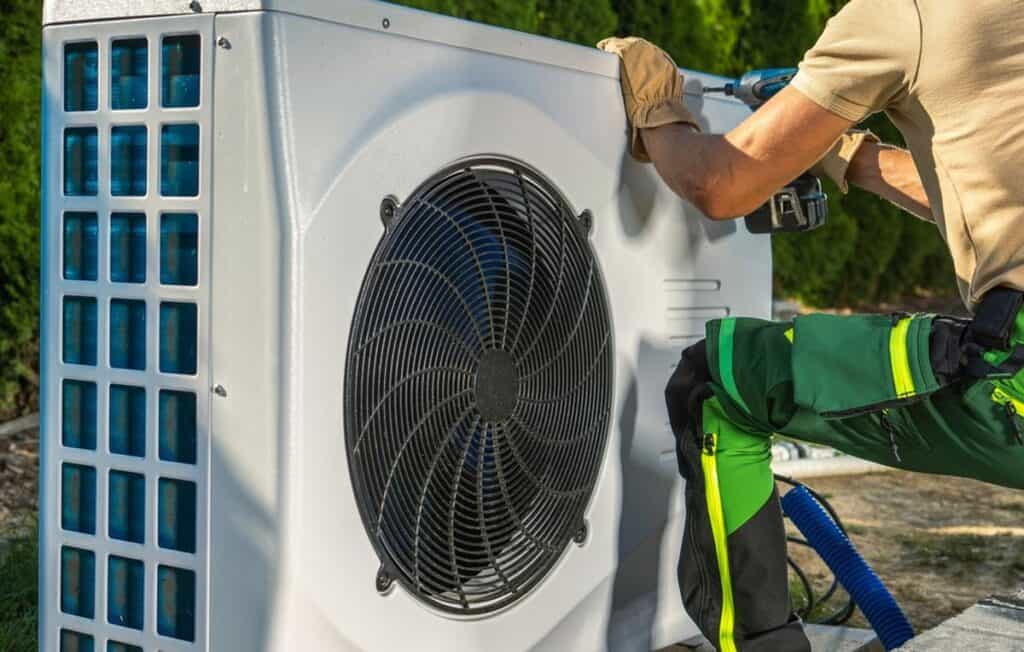
While no single system works for every home, heat pumps are generally considered the most energy-efficient way to heat a home. They’re especially ideal if your goal is to lower energy bills and reduce your carbon footprint.
How Heat Pumps Work
Unlike traditional furnaces that create heat, heat pumps transfer existing heat from the air or ground into your home. This process uses far less electricity, especially with modern high-efficiency models. Heat pumps can also cool your home in the summer, making them a year-round solution.
There are different types of heat pumps:
- Air-source heat pumps (the most common and cost-effective)
- Ground-source (geothermal) heat pumps (more expensive upfront, but incredibly efficient)
Even in colder climates, newer cold-climate heat pumps can keep your home warm. If you’re in a place like Alberta or interior BC, look for systems rated for sub-zero temperatures.
Pro Tip: Choose a model with the ENERGY STAR label for maximum efficiency.
Other Energy-Efficient Ways to Heat Your Home
If a heat pump isn’t ideal for your situation, there are still several efficient heating systems worth considering:
High-Efficiency Electric Furnaces
Modern electric furnaces with variable speed blowers and smart thermostats can be a solid option, especially in areas where electricity rates are lower or hydro-powered. These systems heat your home quickly and evenly, and they don’t require fuel storage.
Radiant Floor Heating
As a designer, I loved including radiant in-floor heating in renovation plans. It provides efficient heat from the ground up—perfect for bathrooms or open-plan spaces. It’s not always the most affordable option upfront, but it adds a lot in comfort and long-term energy savings.
Zoned Heating with Space Heaters
For smaller homes or those who spend most time in specific rooms, zoned heating makes a lot of sense. A good-quality electric space heater can heat a room without having to warm the entire house.
Smart Upgrades That Boost Efficiency
No matter what system you use, there are a few small changes that make a big difference in reducing heat loss and improving overall performance:
- Upgrade insulation in your attic, walls, and basement
- Seal windows and doors to eliminate drafts
- Install a programmable or smart thermostat to automate your heating schedule
- Regularly maintain your heating system—whether it’s a furnace, heat pump, or boiler
- Add window coverings to retain warmth during winter and reduce overheating in summer
These upgrades often pay for themselves in reduced energy bills and a more comfortable living space.
Renewable Energy: The Next Step in Efficient Home Heating
If you’re already using a high-efficiency heating system and want to go even further, pairing it with a renewable energy source like solar panels can be the cherry on top. While solar isn’t a direct heating method, it can offset the electricity used by your heating system and contribute to energy independence.
Bonus: In some provinces, you can sell extra power back to the grid. It’s a long-term win for your wallet and the environment.
The Financial Side: What Does Efficient Heating Really Cost?
Yes, installing a heat pump or upgrading your furnace might seem expensive at first. But when you factor in:
- Lower energy bills
- Government rebates and Energy Star incentives
- Increased resale value
- Reduced maintenance and longer system lifespan
…it starts to make a lot more sense.
If you’re not ready to make a big switch, start small with some of the upgrades mentioned earlier. Even switching out your old thermostat or adding draft stoppers can lower your heating costs.
Final Thoughts: Creating a Warmer, Smarter Home
Choosing the most energy-efficient way to heat your home is about more than just comfort—it’s about making smart choices for your future. As someone who’s designed many homes with both aesthetics and function in mind, I can tell you this: energy efficiency doesn’t have to compromise comfort or style.
With the right heating system, smart upgrades, and maybe a few energy-saving habits, your home can be warm, welcoming, and wonderfully efficient.
More Articles on Eco-Friendly Home Building and Design
- Unspoken Secrets Of Sustainable Home Buying
- Sustainable Practices for Long-Lasting Roof Performance
- Transform Your Kitchen with Affordable and Sustainable Refacing Solutions
- The Green Homeowner’s Guide: Tips for Sustainable Living
- Eco-Friendly Plumbing Techniques for Green Living
- 6 Tips to Enhance the Efficiency of Your Home’s HVAC System
- The Most Energy-Efficient Way to Heat a Home [Without Sacrificing Comfort]
- Improve Energy Efficiency: How Window Coverings Can Help
- Ways to Contribute to the Clean Energy Transition
- Top Benefits of Investing in a Home Energy Audit
- How Crafting Resilient Homes Helps Protect Them From Disasters
- Key Considerations When Remodelling Homes
- Remodelling Trends: Designing Spaces for a Sustainable Future
